Work
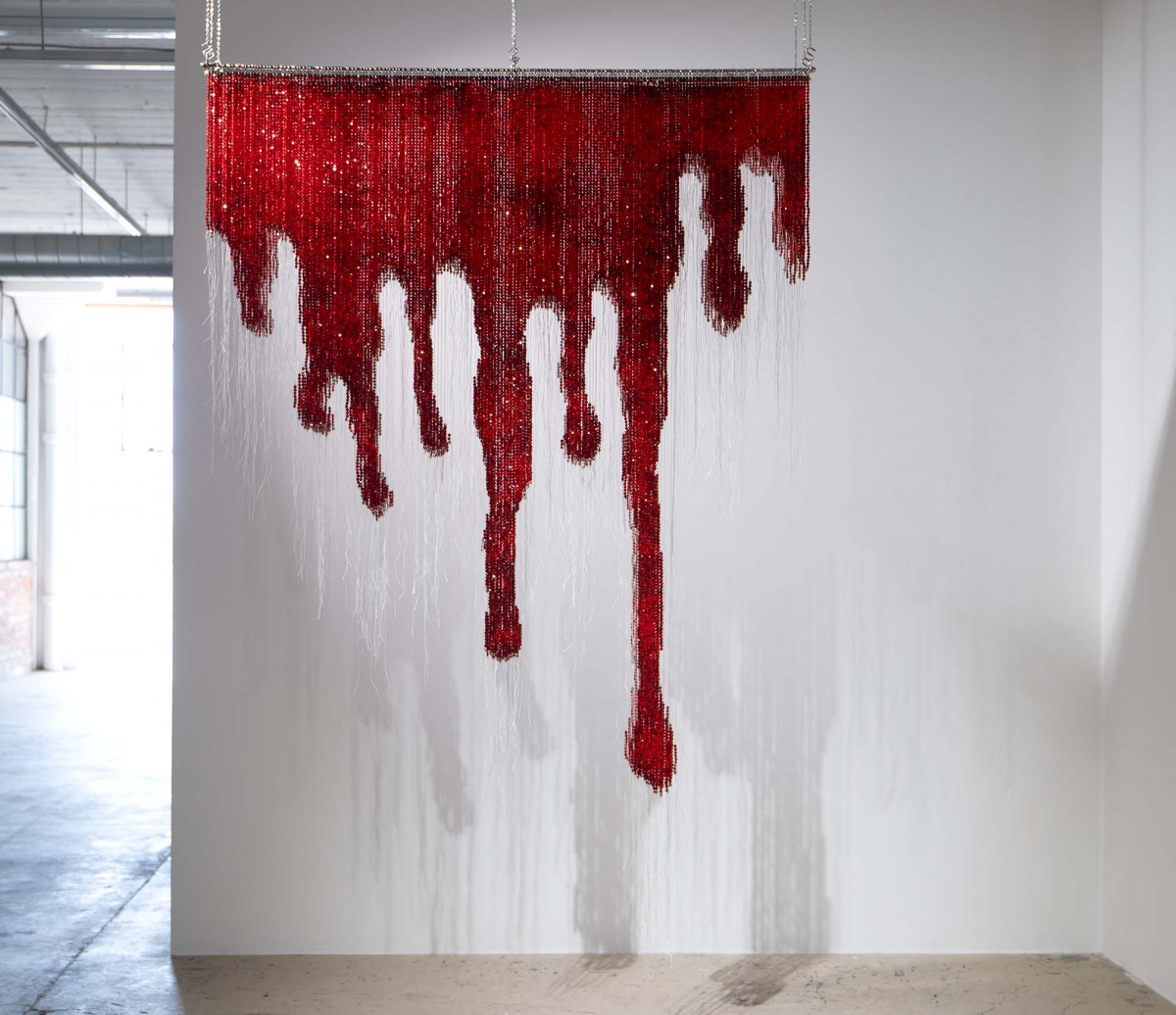
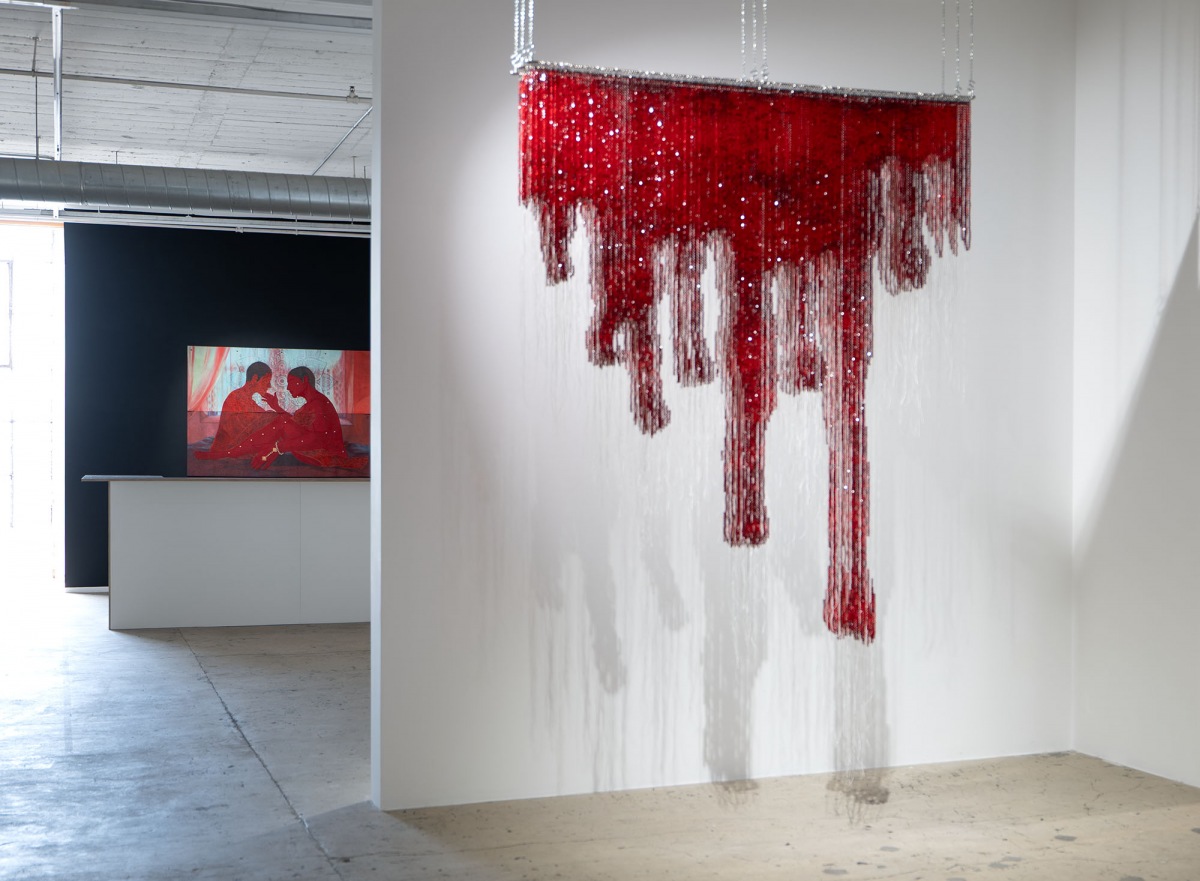
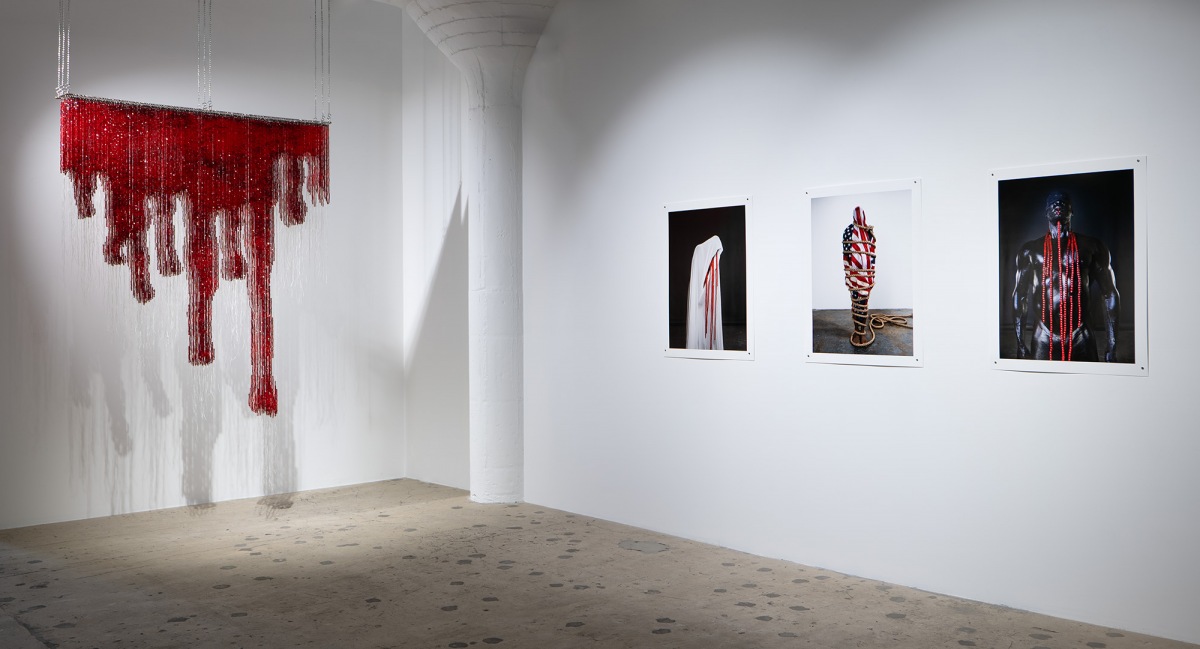
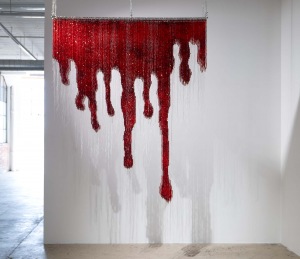
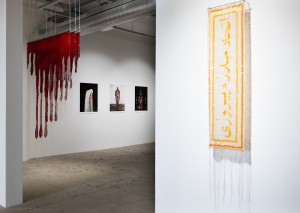
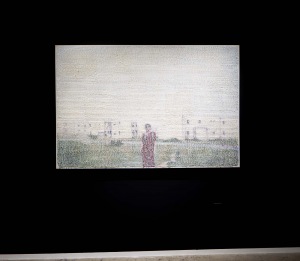
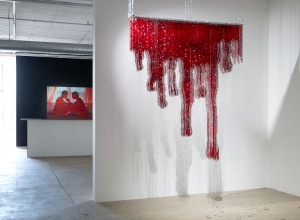
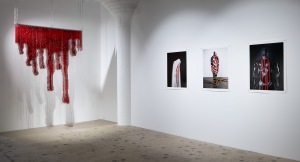
Taraneh Hemami | Theory of Survival: Blood Curtain | 2013 | 8mm faceted plastic beads, silver crimps, cotton thread, stainless steel bar | 132 x 62 inches (340.56 cm x 159.96 cm)
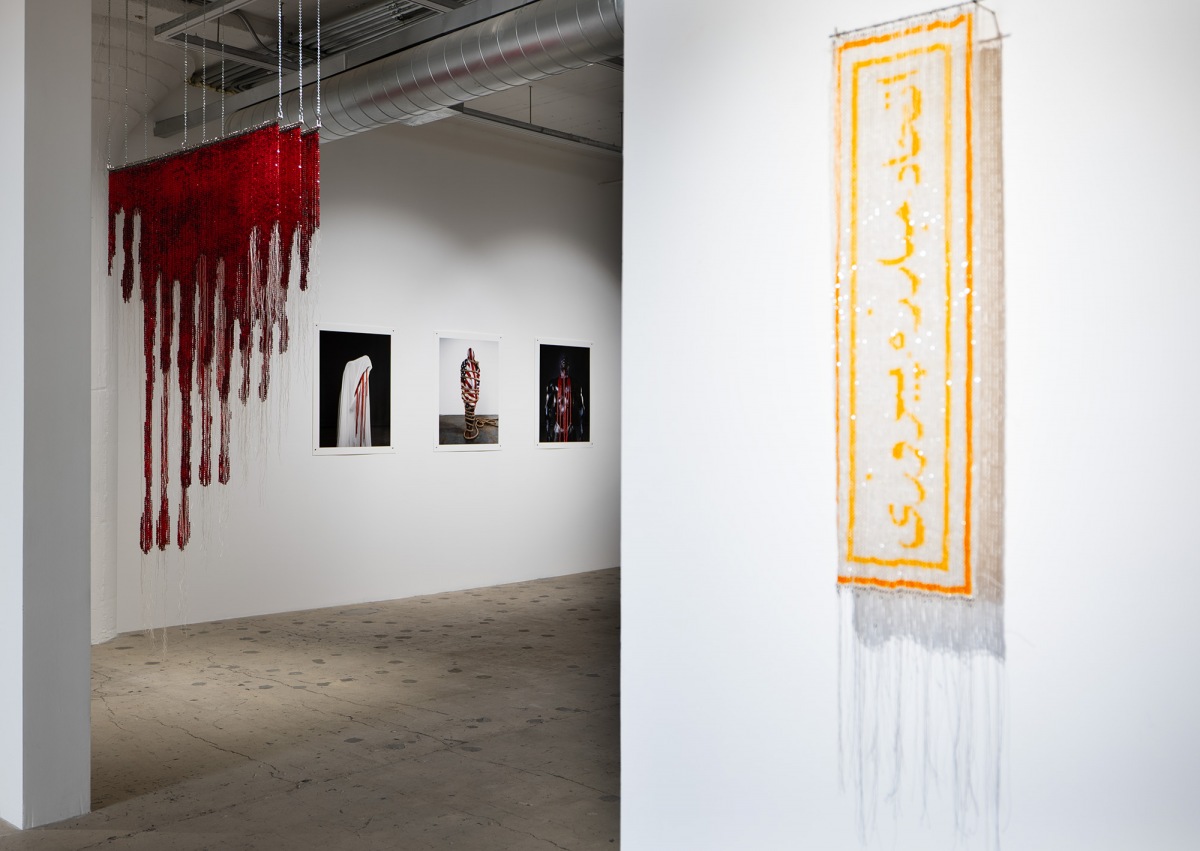
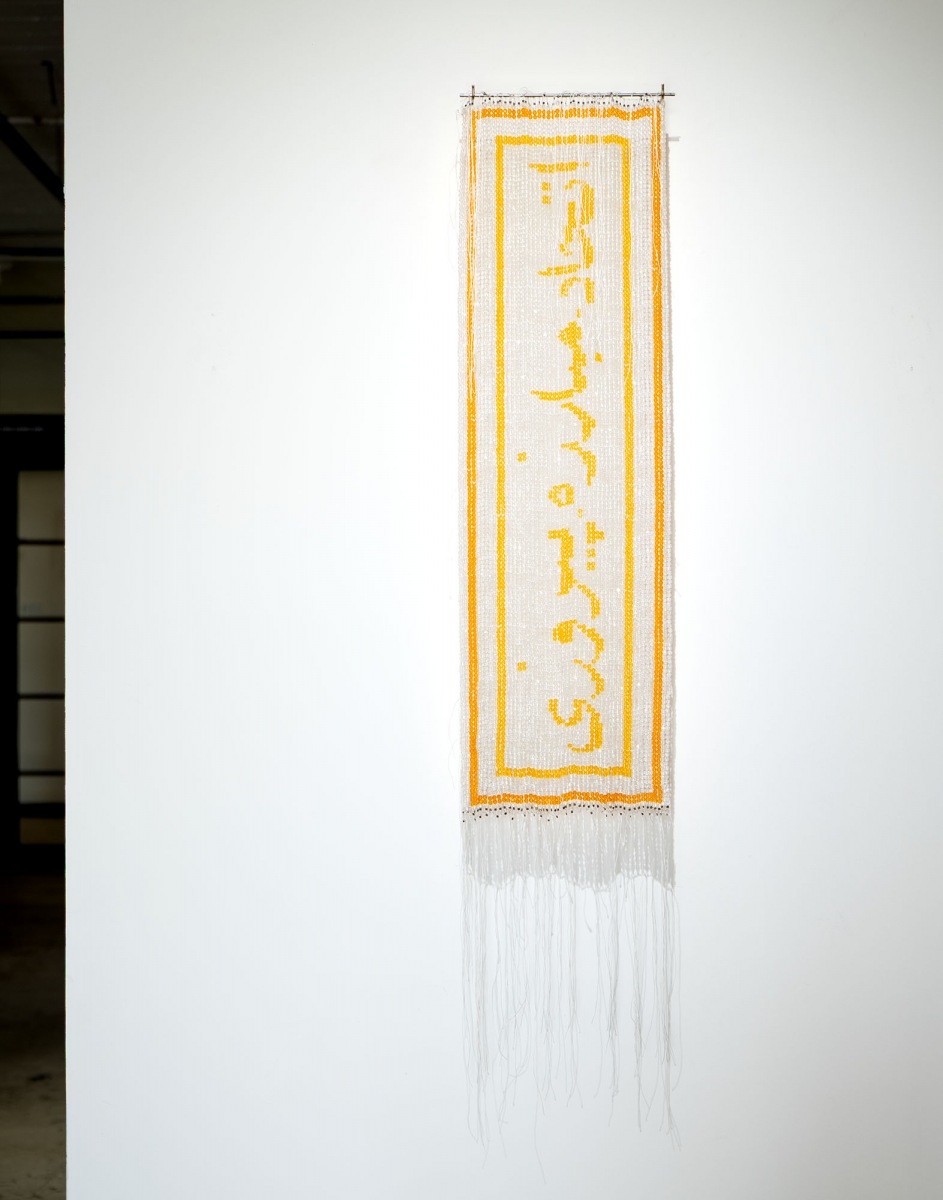
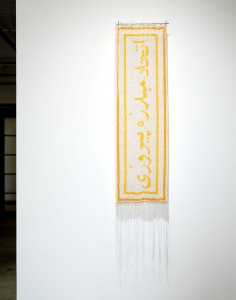
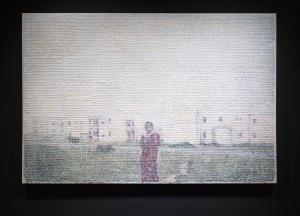
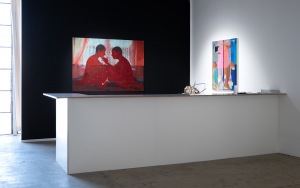
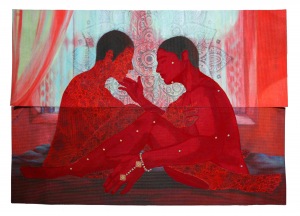
Taraneh Hemami | Theory of Survival: Etehaad | 2013 | 6mm faceted plastic beads, silver crimps and cotton thread | 32 x 24 inches (82.56 cm x 61.92 cm)
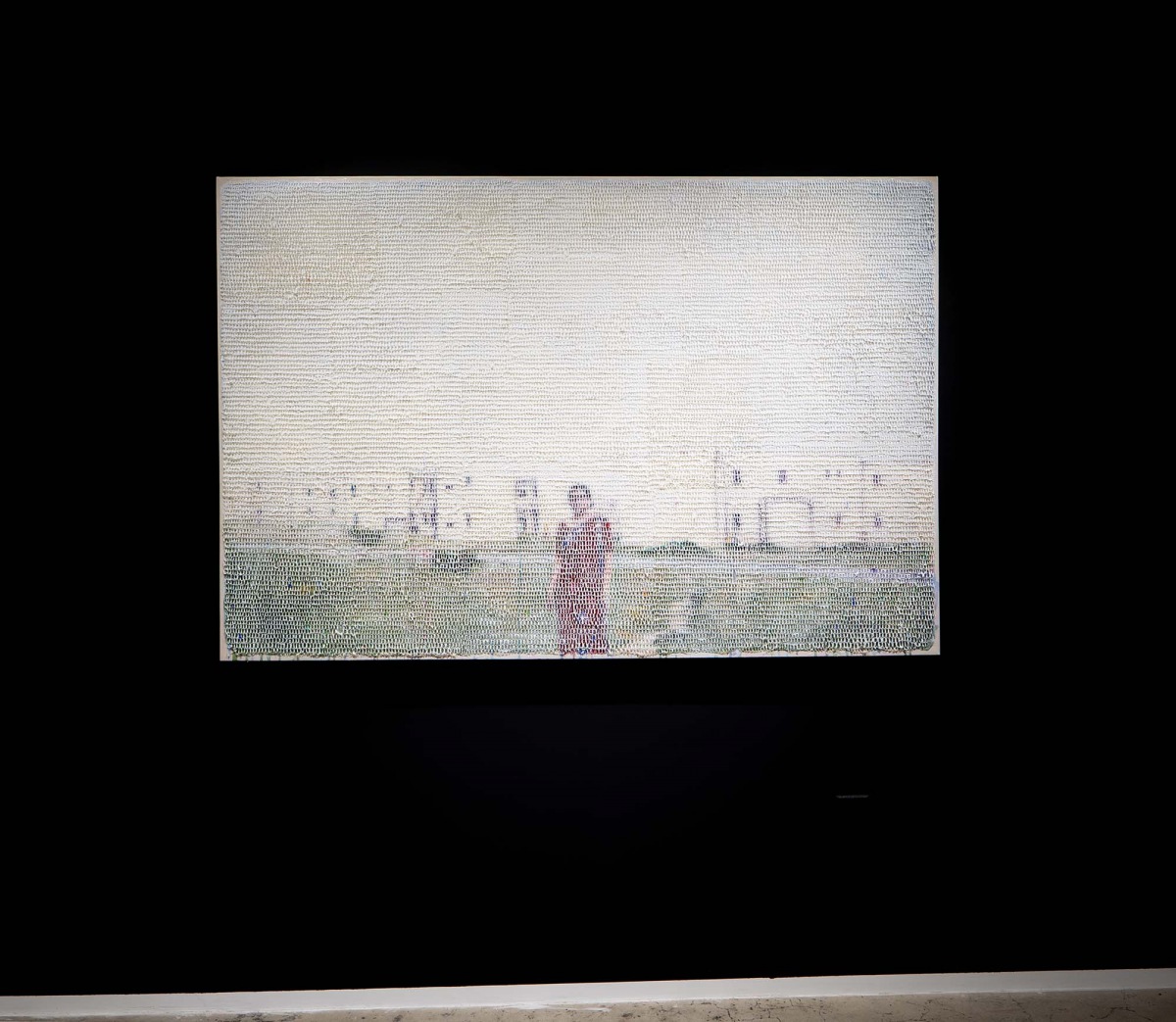
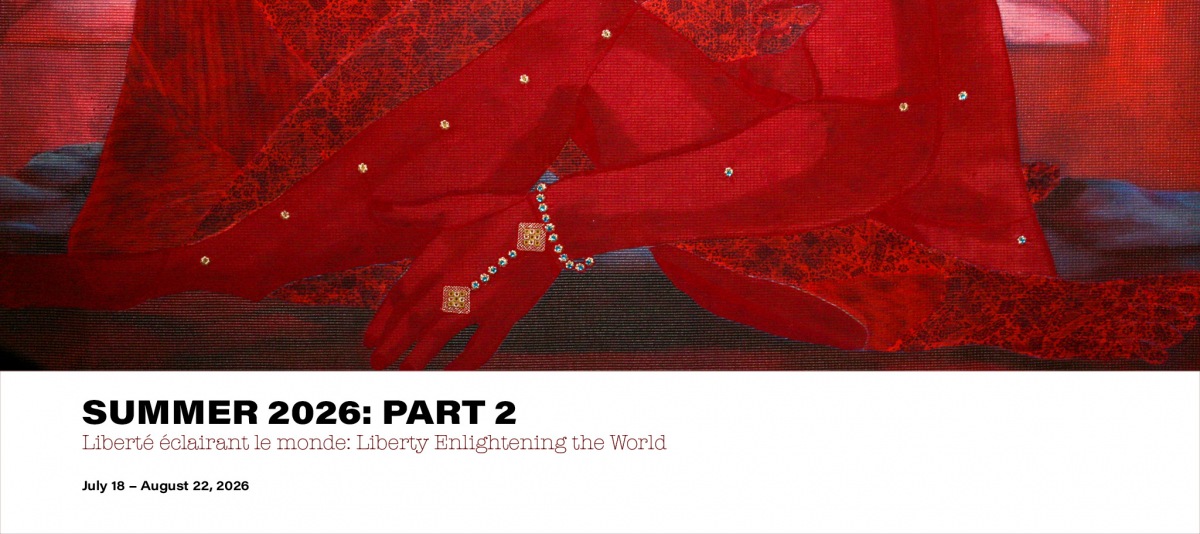
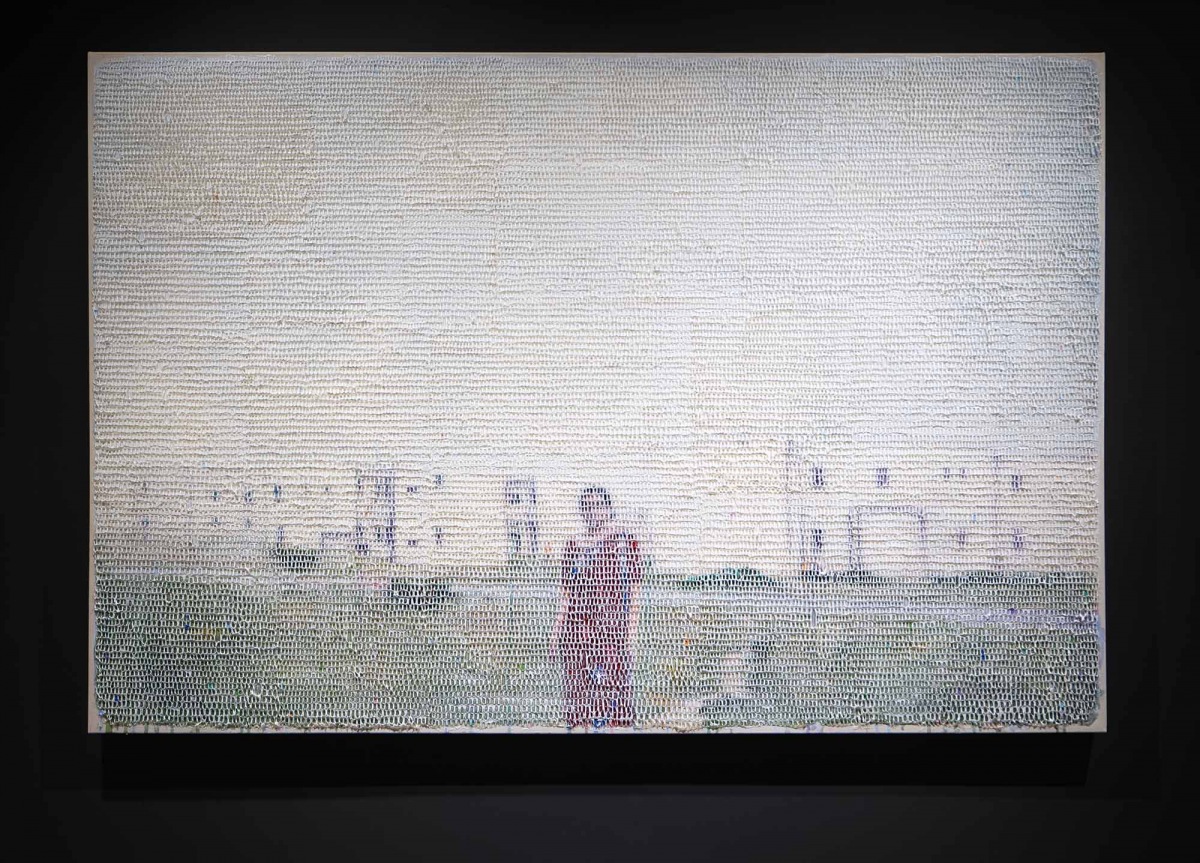
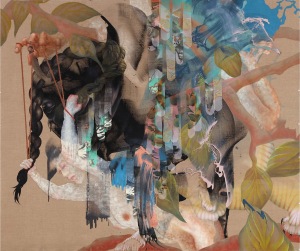
Sanjay Vora | The Beginnings | 2026 | Oil, acrylic, gel medium on canvas | 48 x 72 inches (123.84 cm x 185.76 cm)
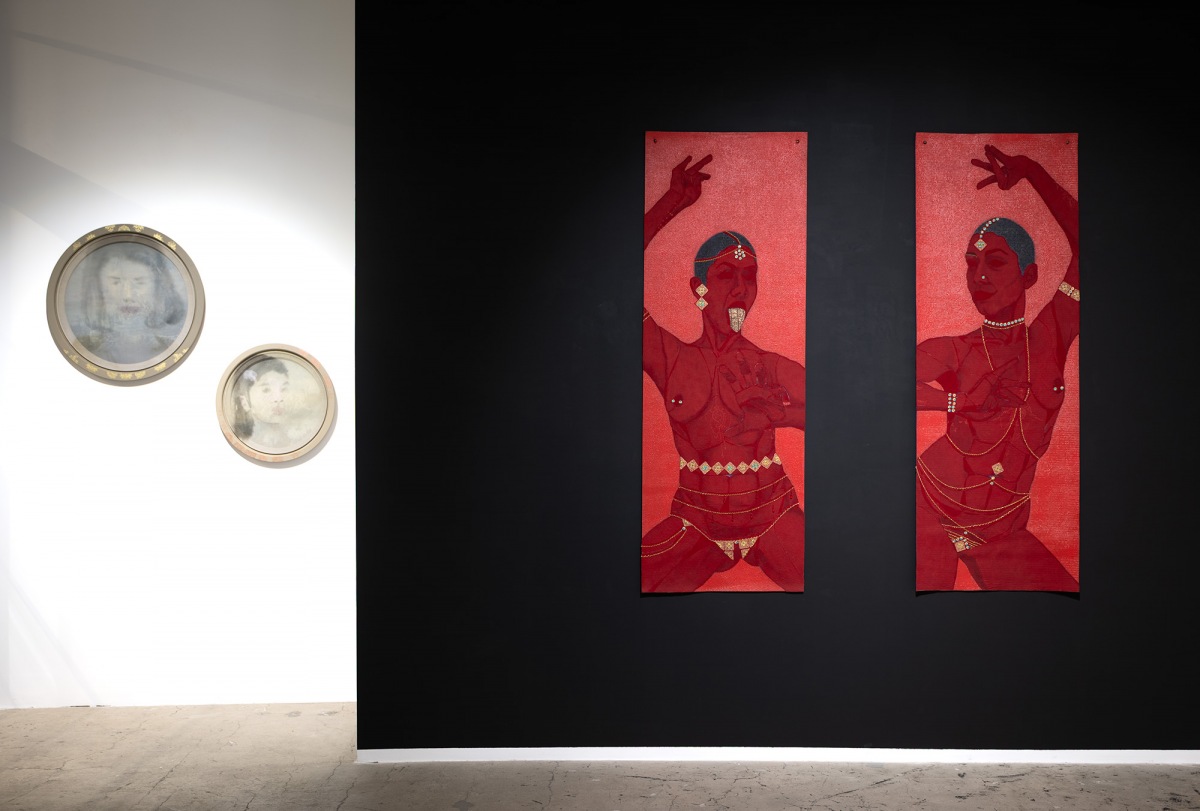
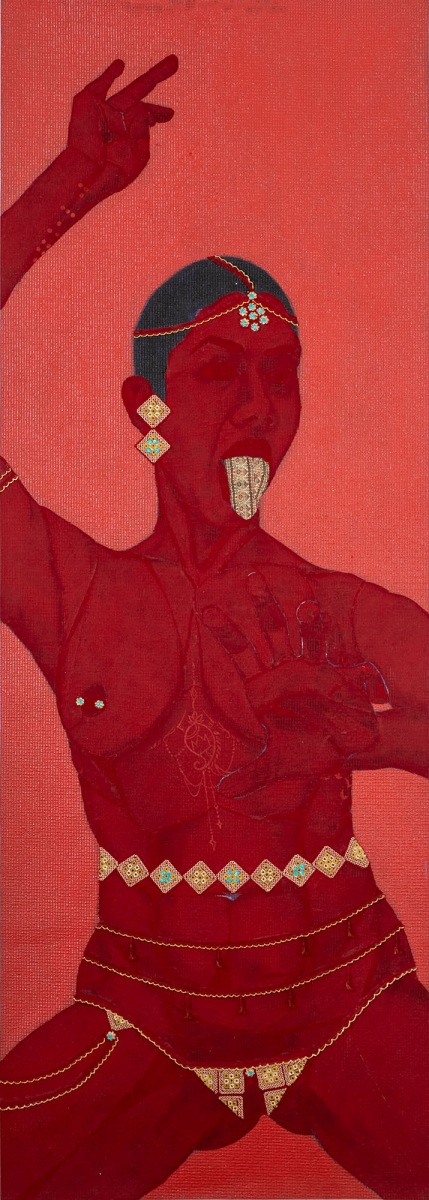
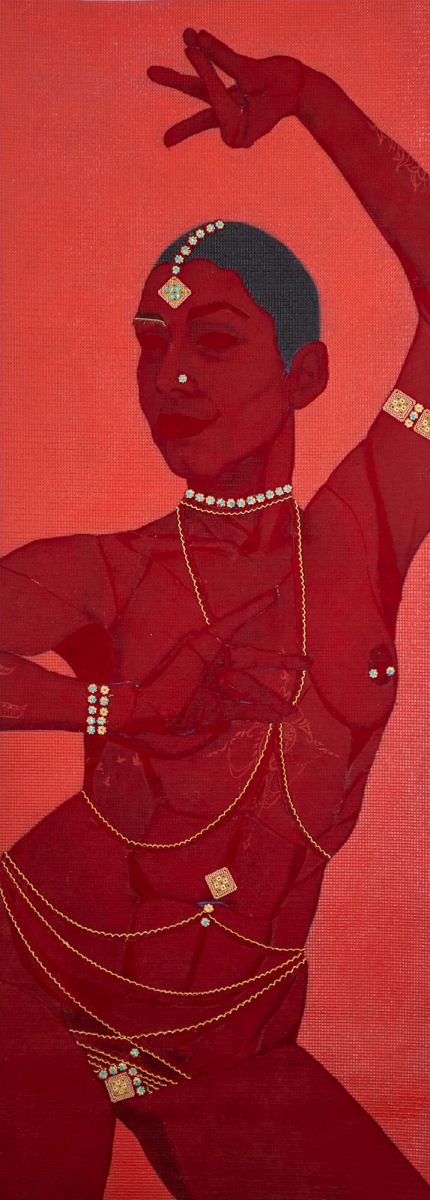
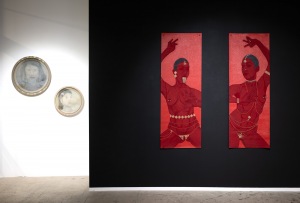
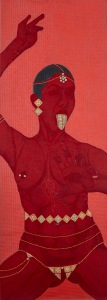
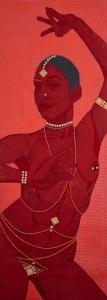
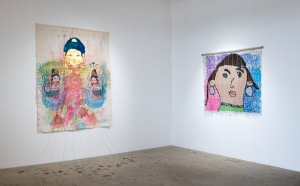
Preetika Rajgariah | Warrior 1 | 2023 | yoga mat, sari, acrylic paint | 68 x 24 inches (175.44 cm x 61.92 cm)
Preetika Rajgariah | Warrior 4 | 2023 | yoga mat, sari, acrylic paint | 68 x 24 inches (175.44 cm x 61.92 cm)
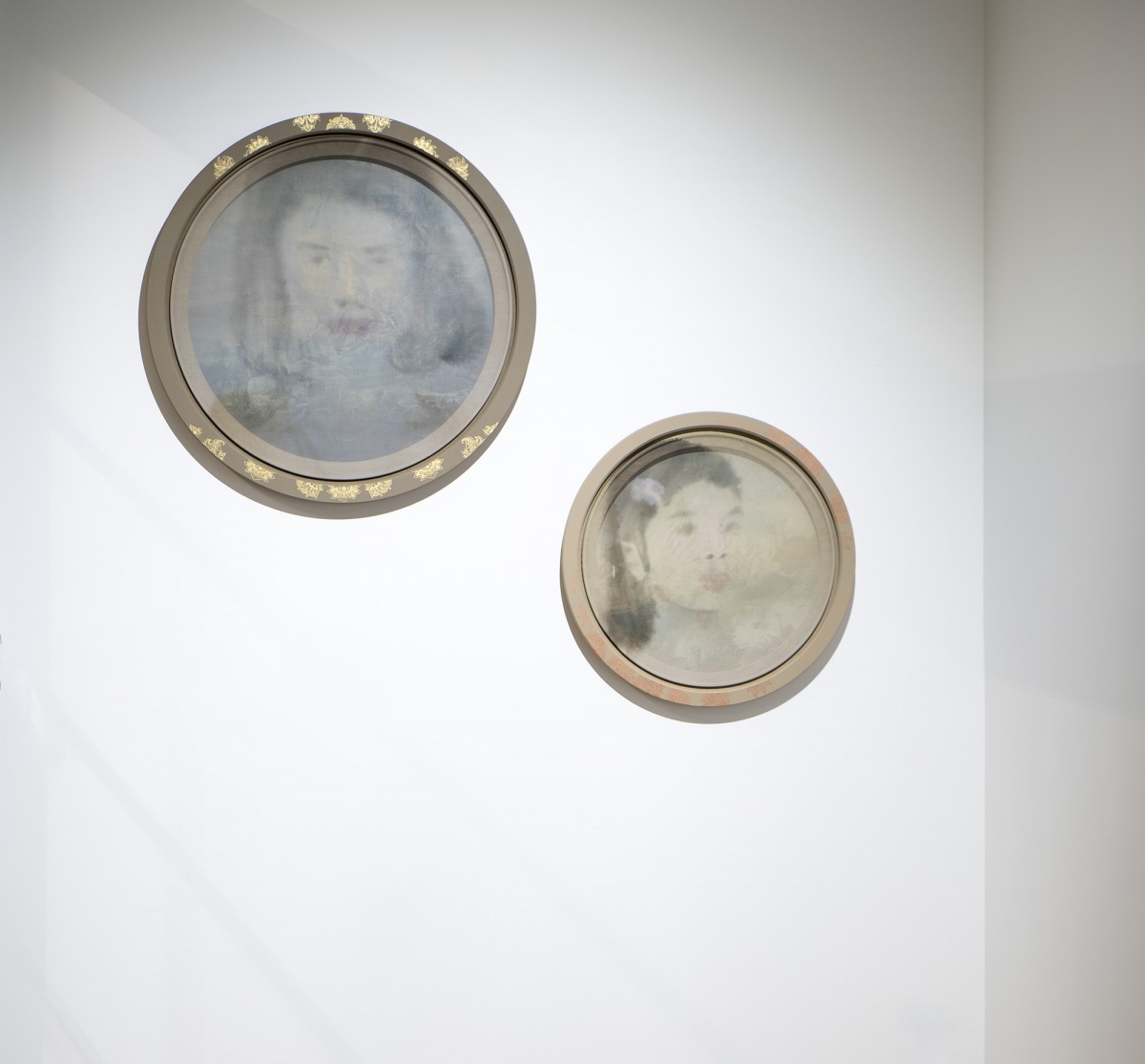
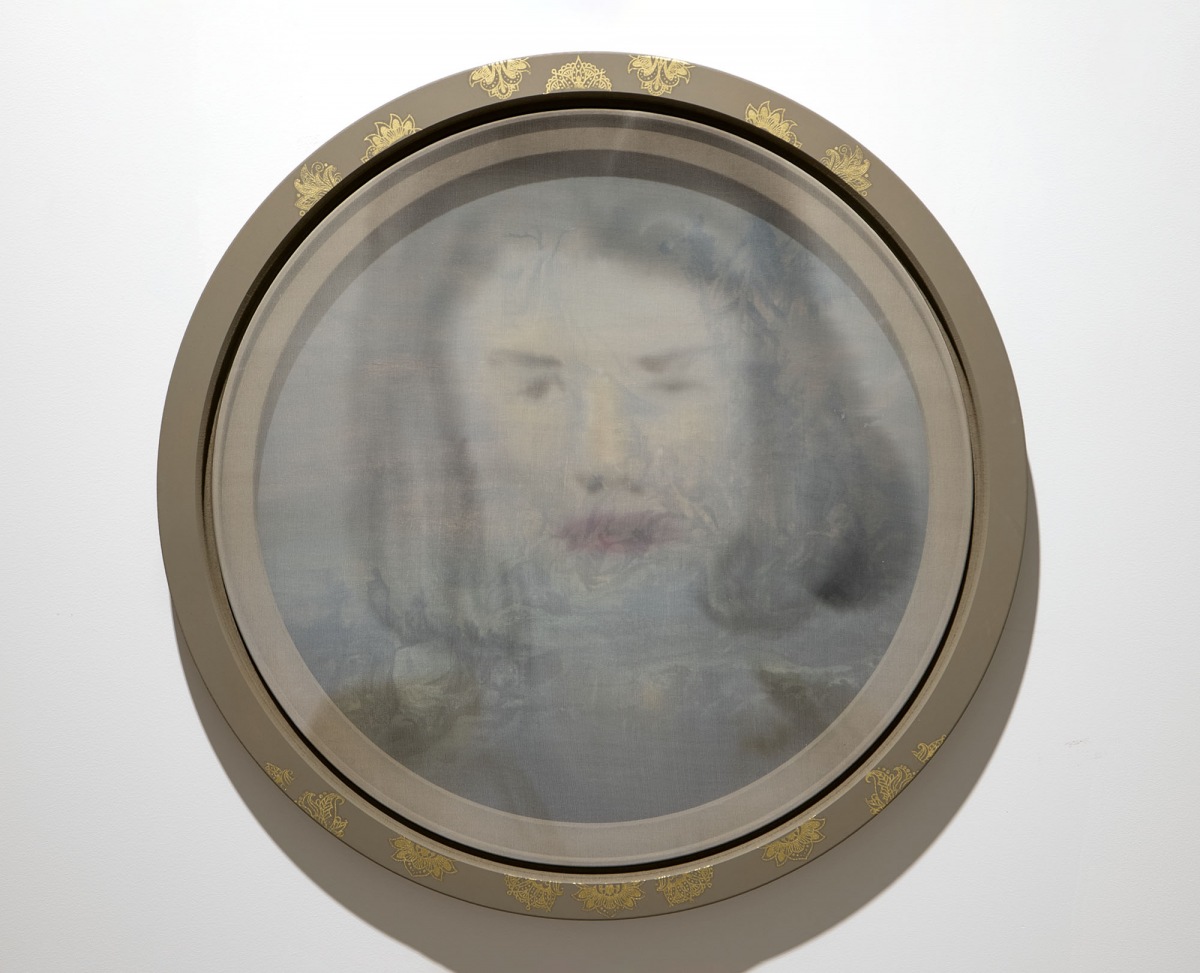
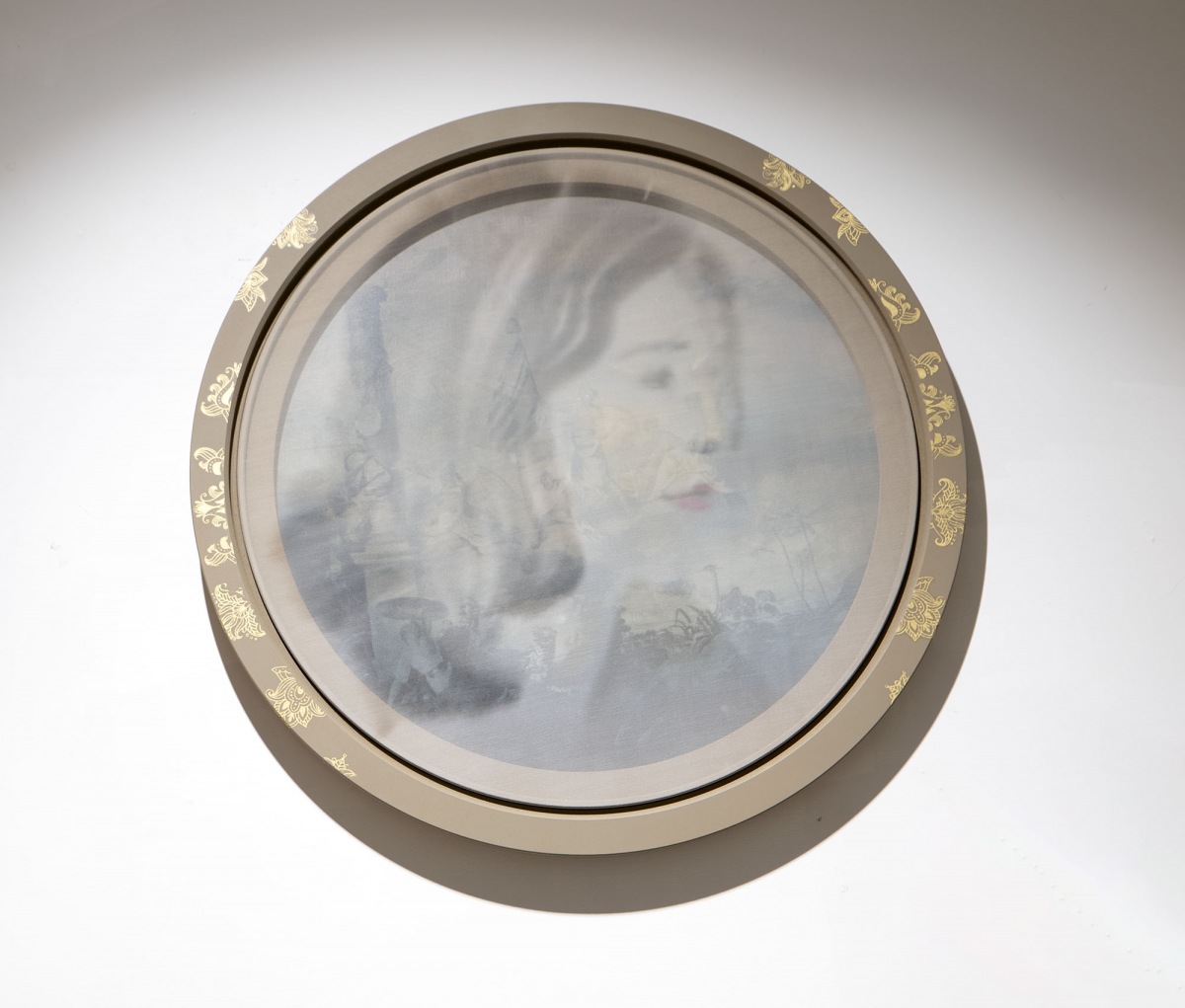
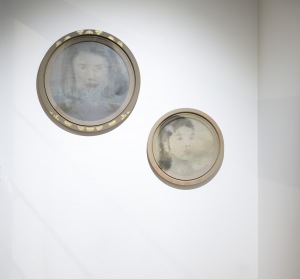
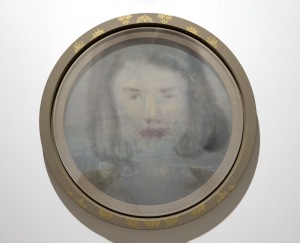
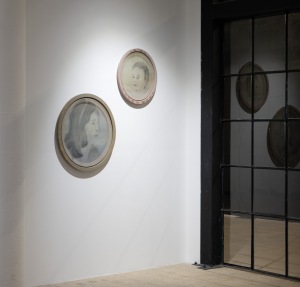
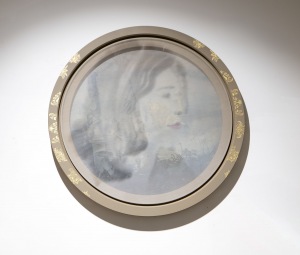
Lien Truong | Juane Noir, Portrait Deux | 2023 | Acrylic, silk, oil and silkscreen on birch panel, mdf frame | 27.5 x 27.5 inches (70.95 cm x 70.95 cm)
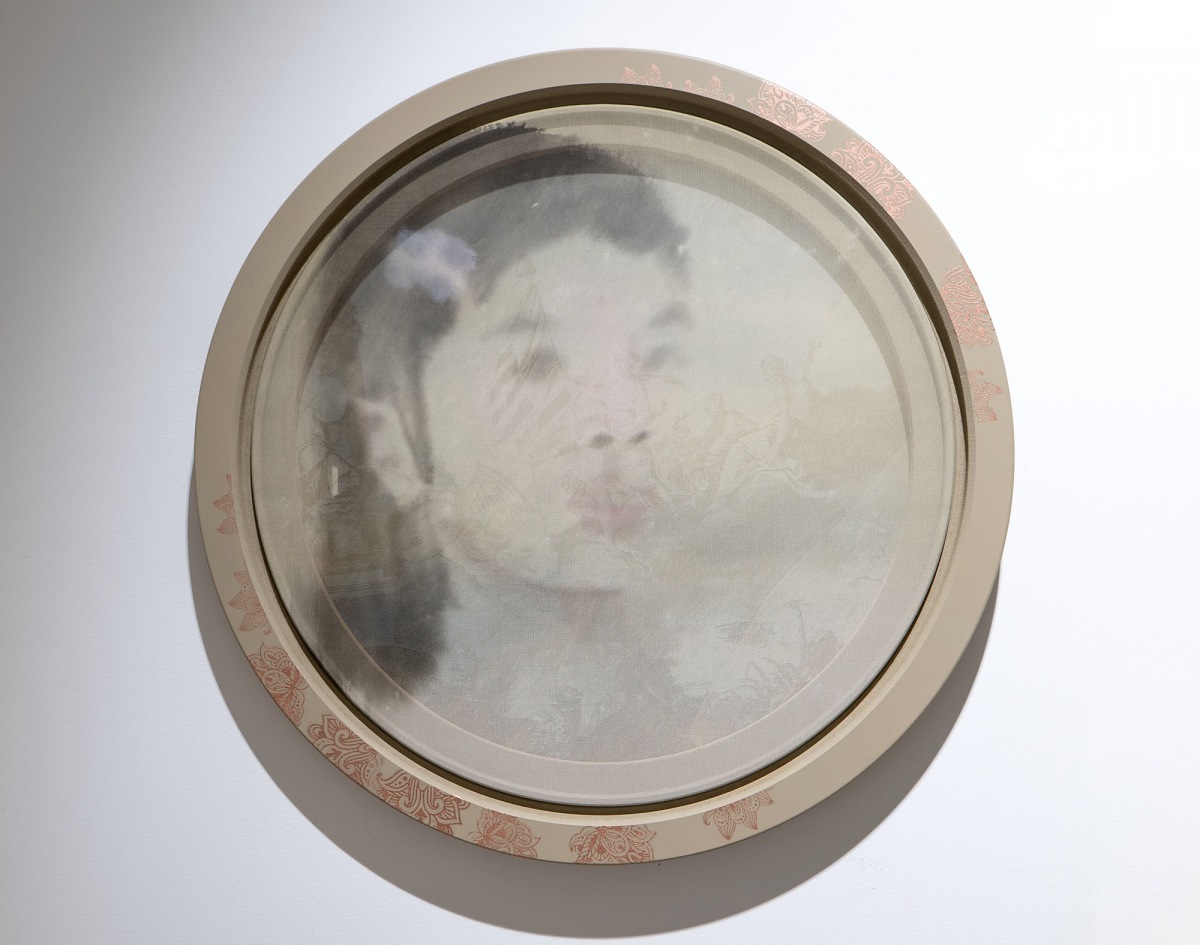
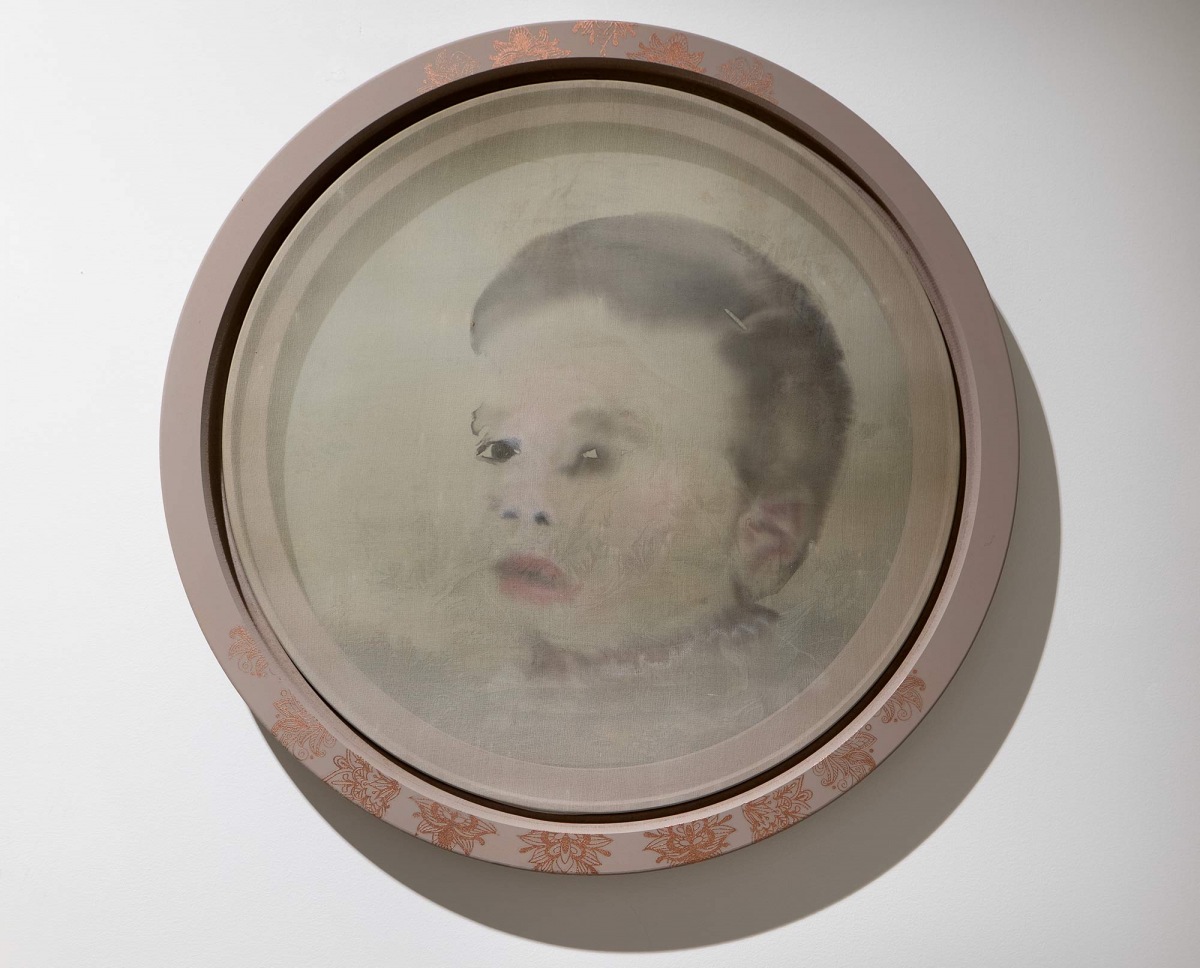
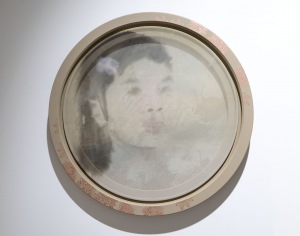
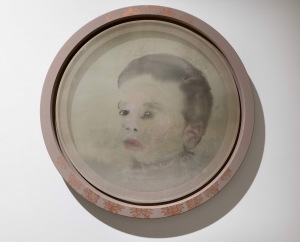
Lien Truong | Juane Noir, Portrait Trois | 2023 | Acrylic, silk, oil and silkscreen on birch panel, mdf frame| 20.75 x 20.75 inches (53.535 cm x 53.535 cm)
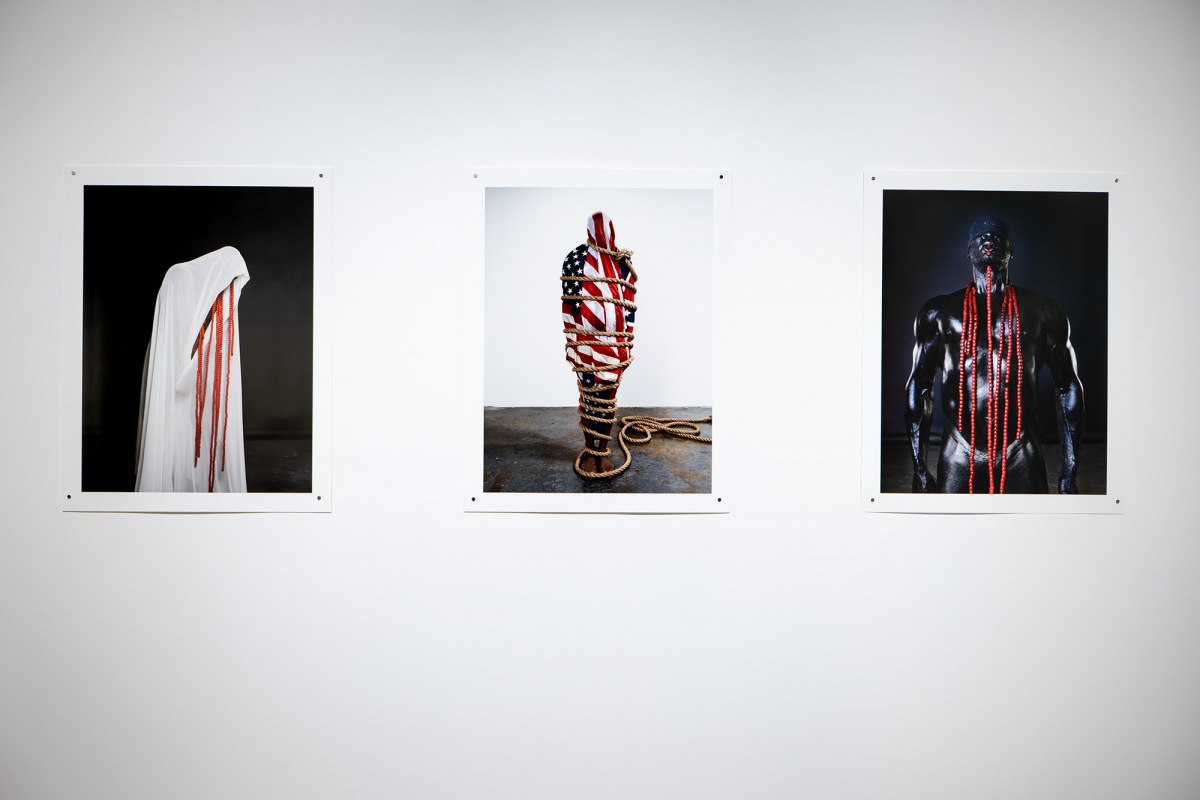
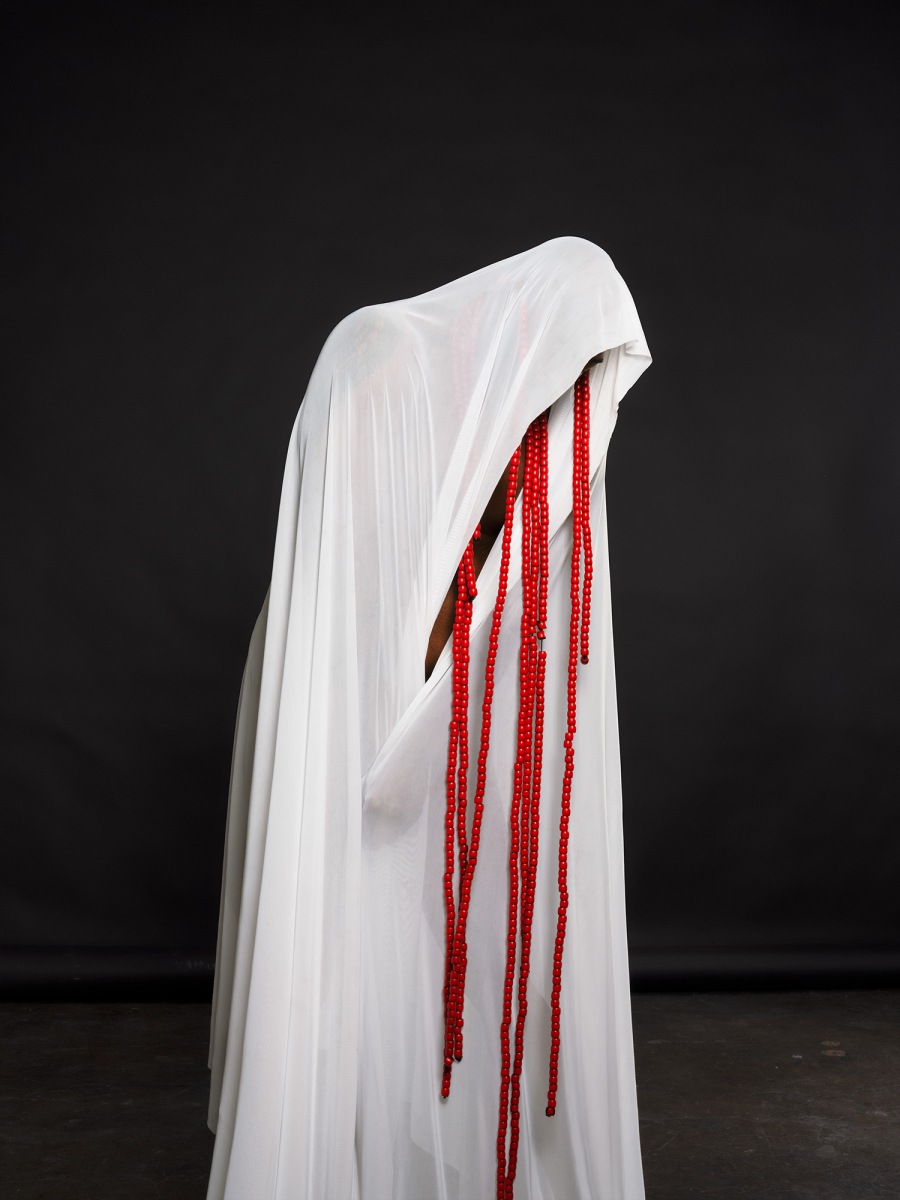
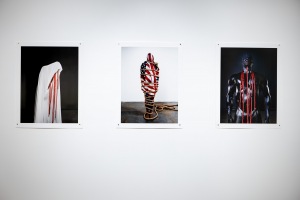
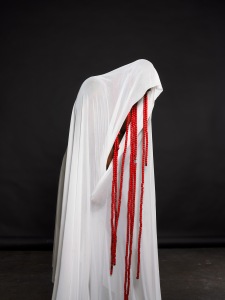
Reyah| White | 2026 | archival pigment print on paper | 34 x 26 inches (87.72 cm x 67.08 cm) | Ed. 5
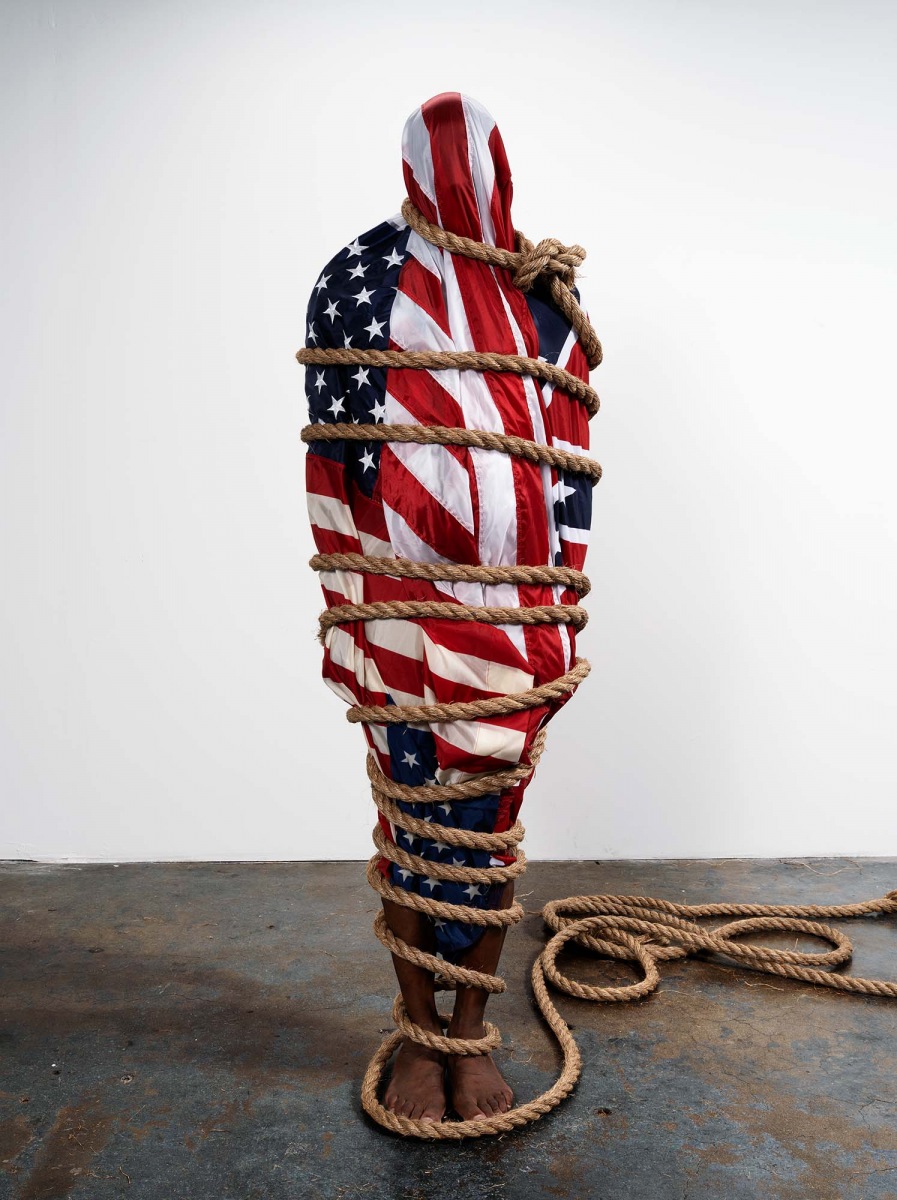
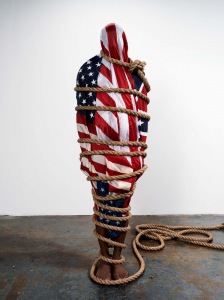
Reyah| Rope | 2026 | archival pigment print on paper | 34 x 26 inches (87.72 cm x 67.08 cm) | Ed. 5
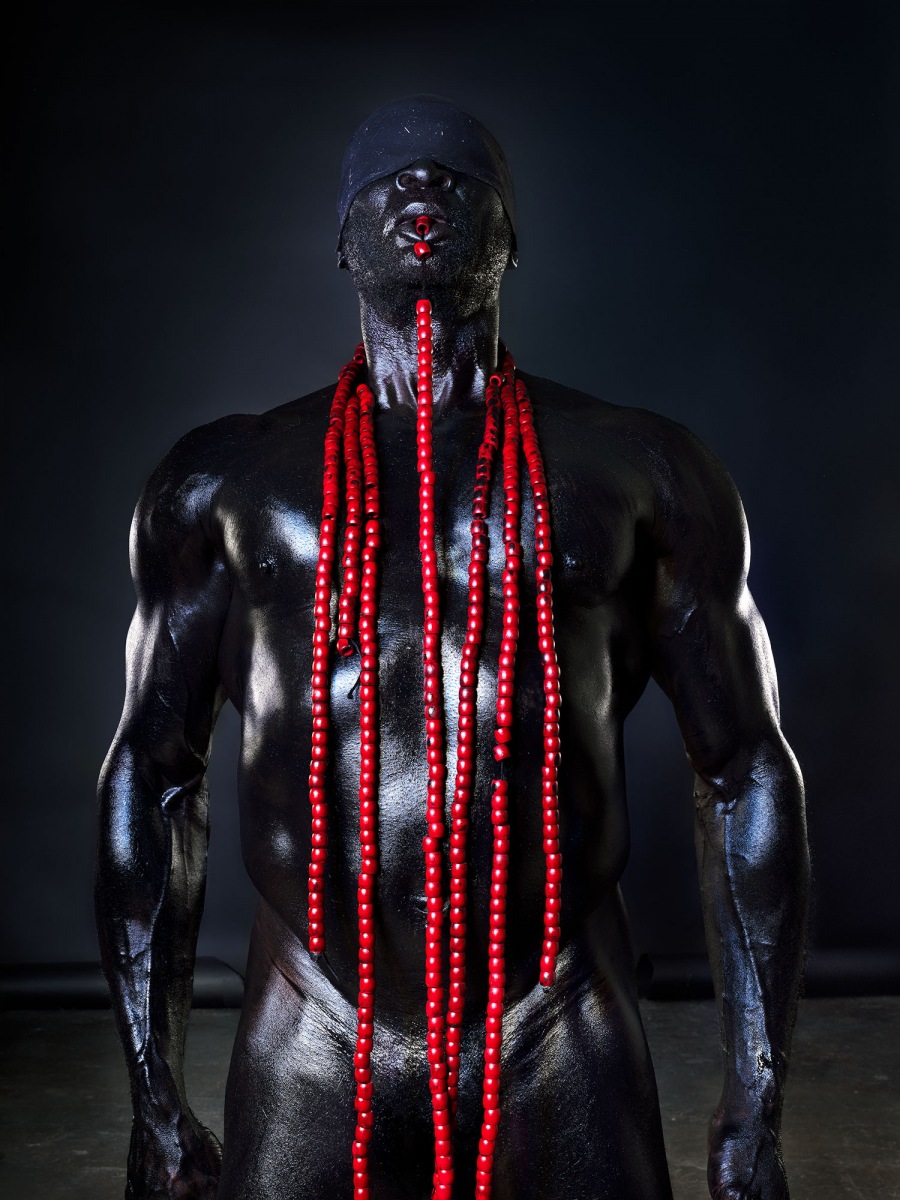
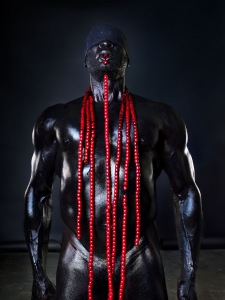
Reyah| Black | 2026 | archival pigment print on paper | 34 x 26 inches (87.72 cm x 67.08 cm) | Ed. 5
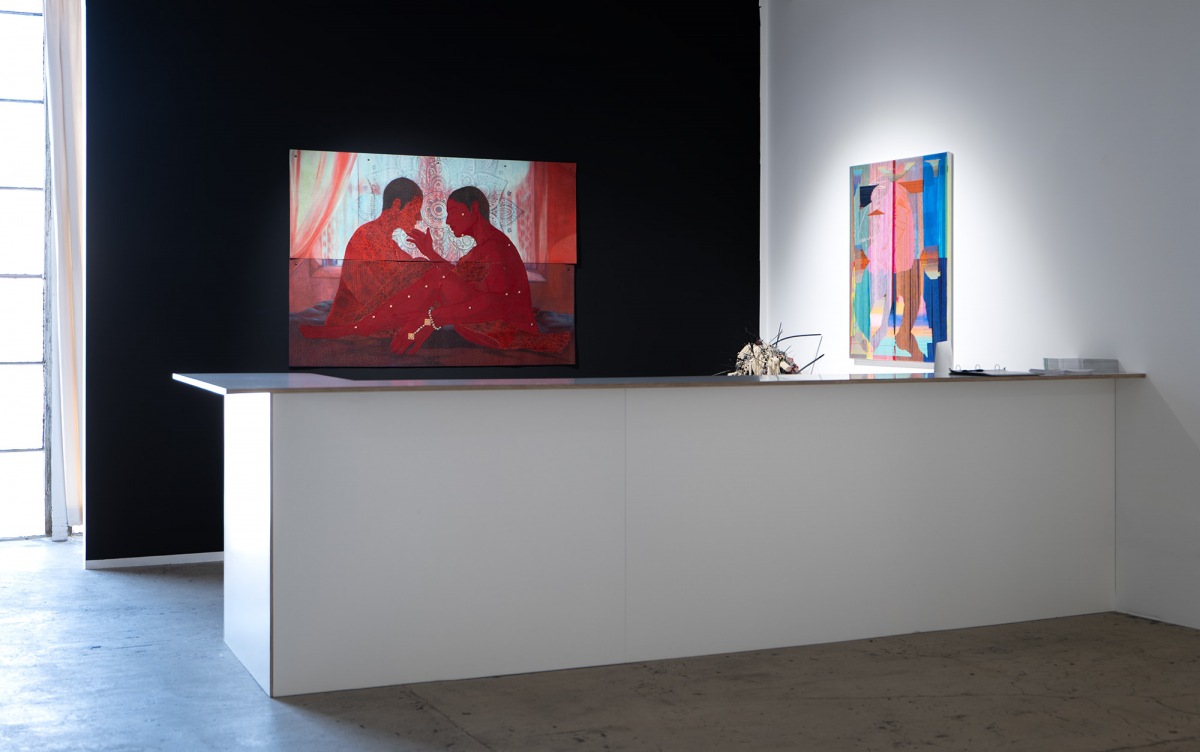
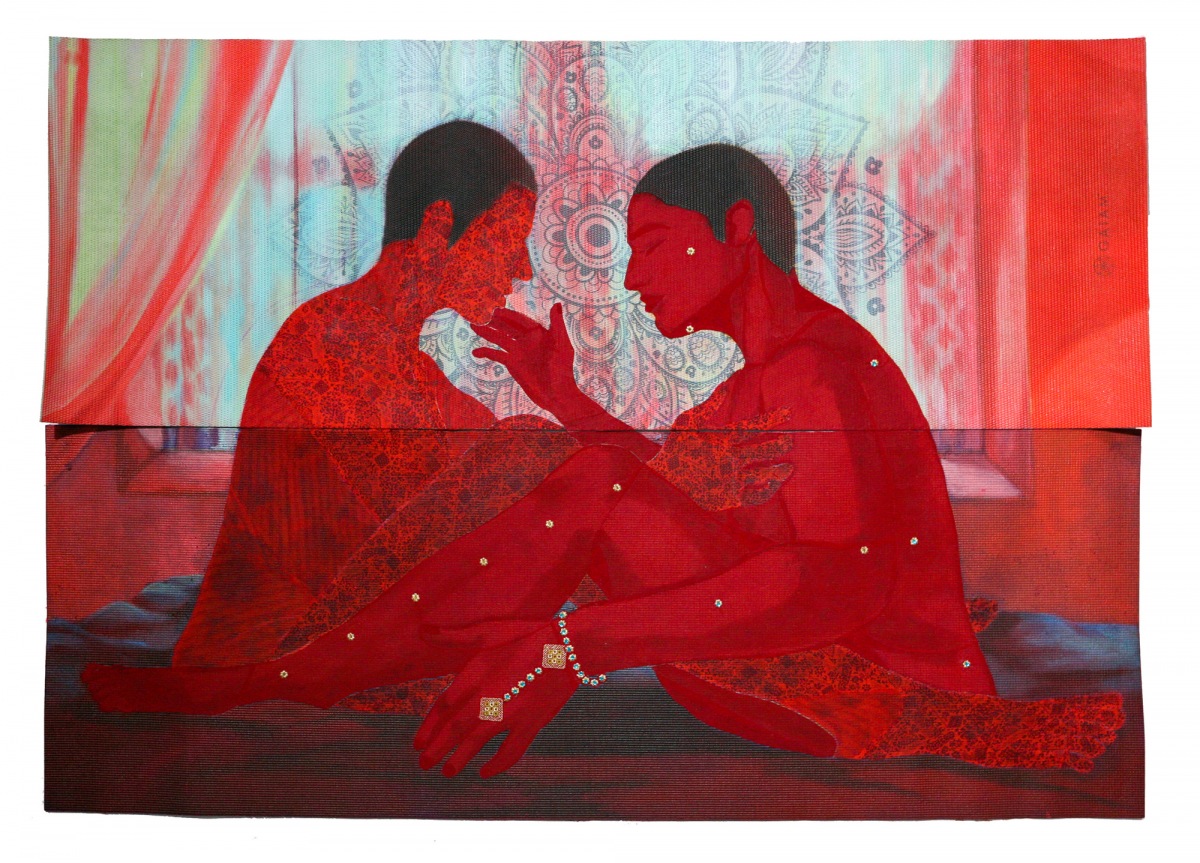
Preetika Rajgariah | Your inner self is your inner guide | 2023 | yoga mat, sari, acrylic paint | 48 x 68 inches (123.84 cm x 175.44 cm)
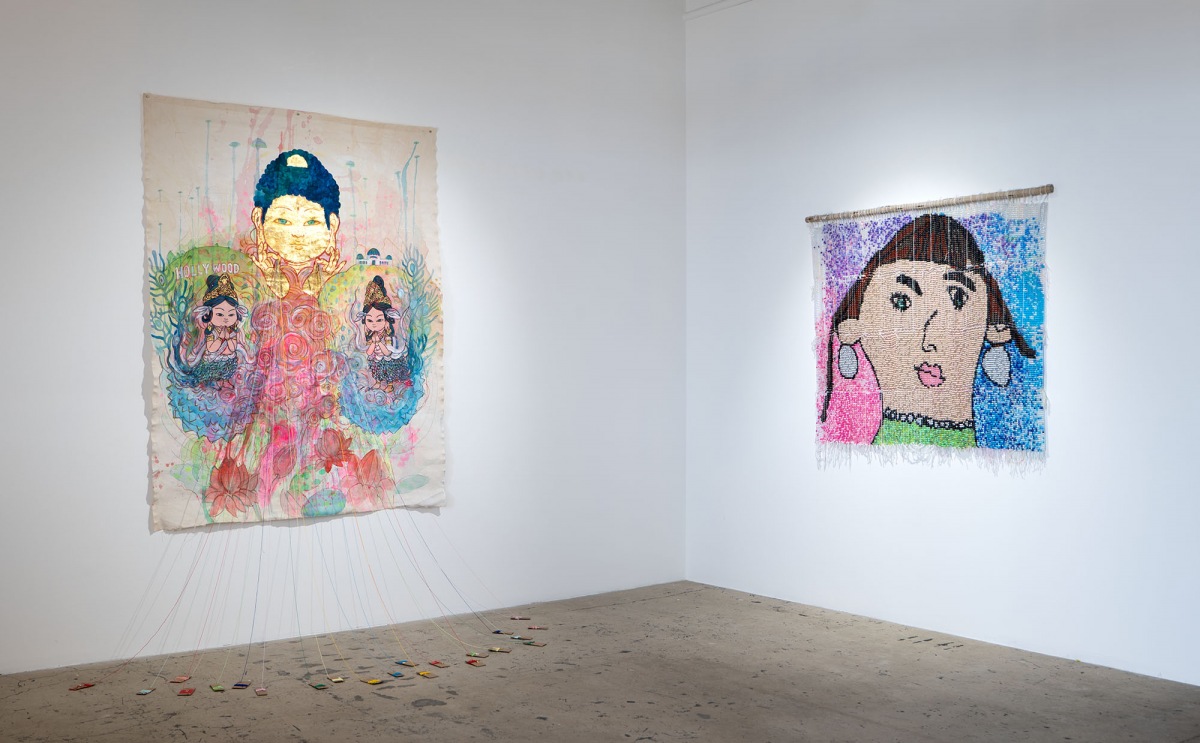
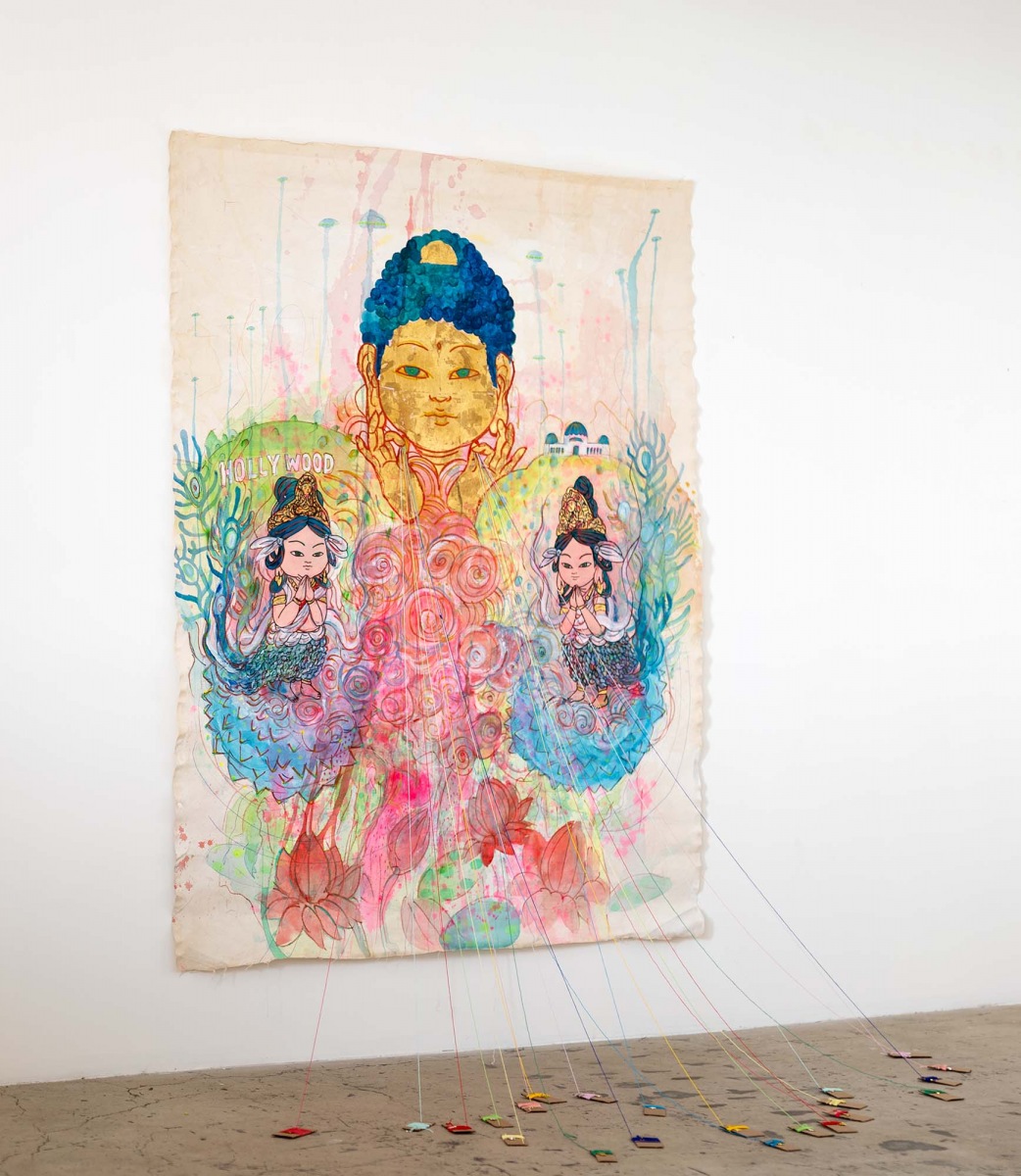
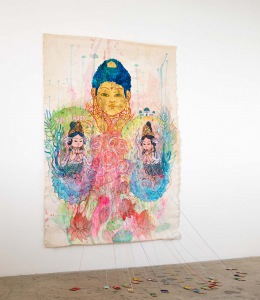
Wakana Kimura | Hollywood Amida Raigō | 2026 | watercolor, sumi ink, marker, acrylic, vinyl color on paper | 76 x 59 inches (196.08 cm x 152.22 cm)
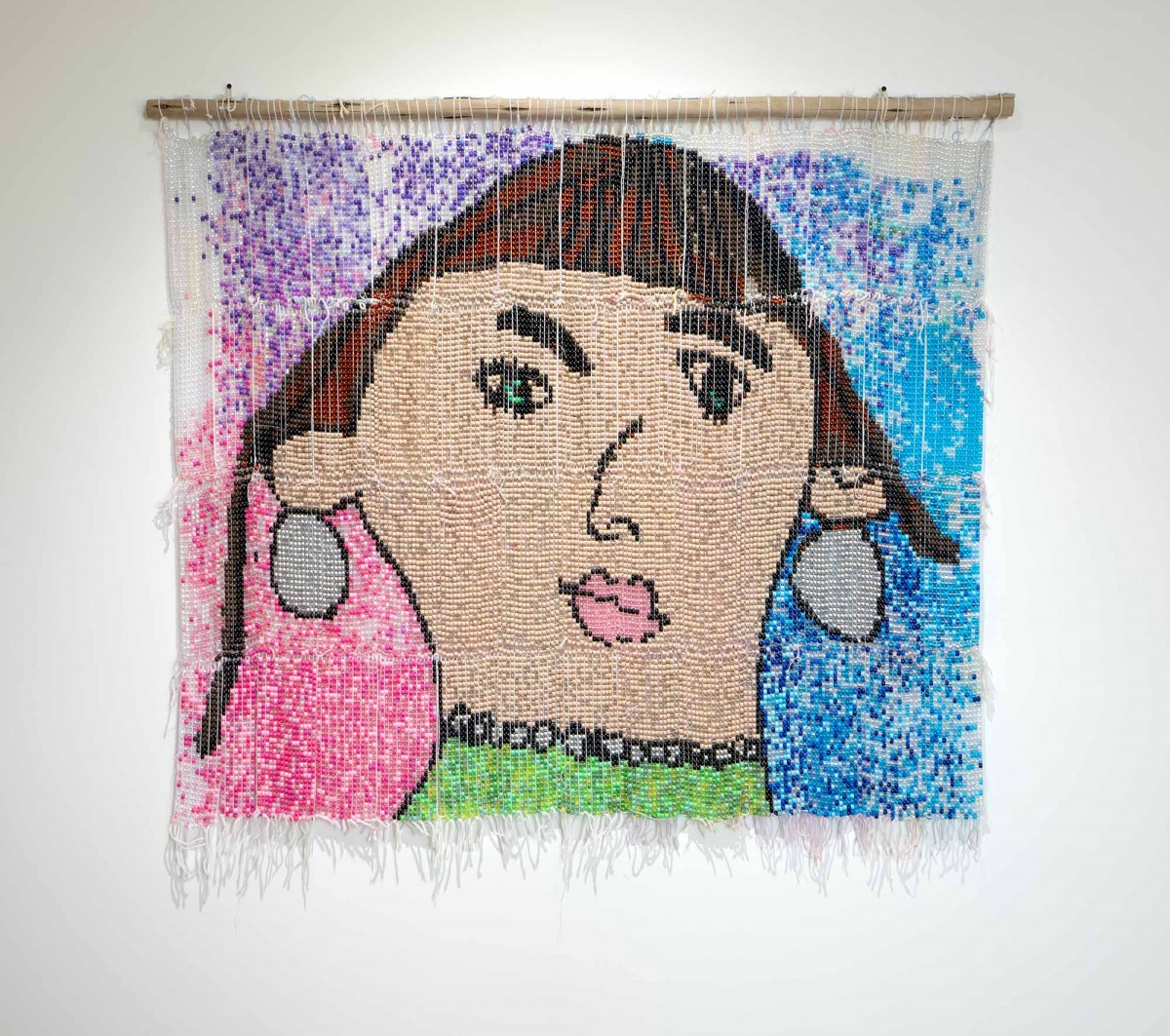
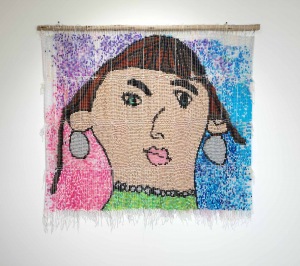
Gabby Severson | Beaded Earring | 2024 | Pony beads, acrylic yarn | 49 x 52 inches (126.42 cm x 134.16 cm)
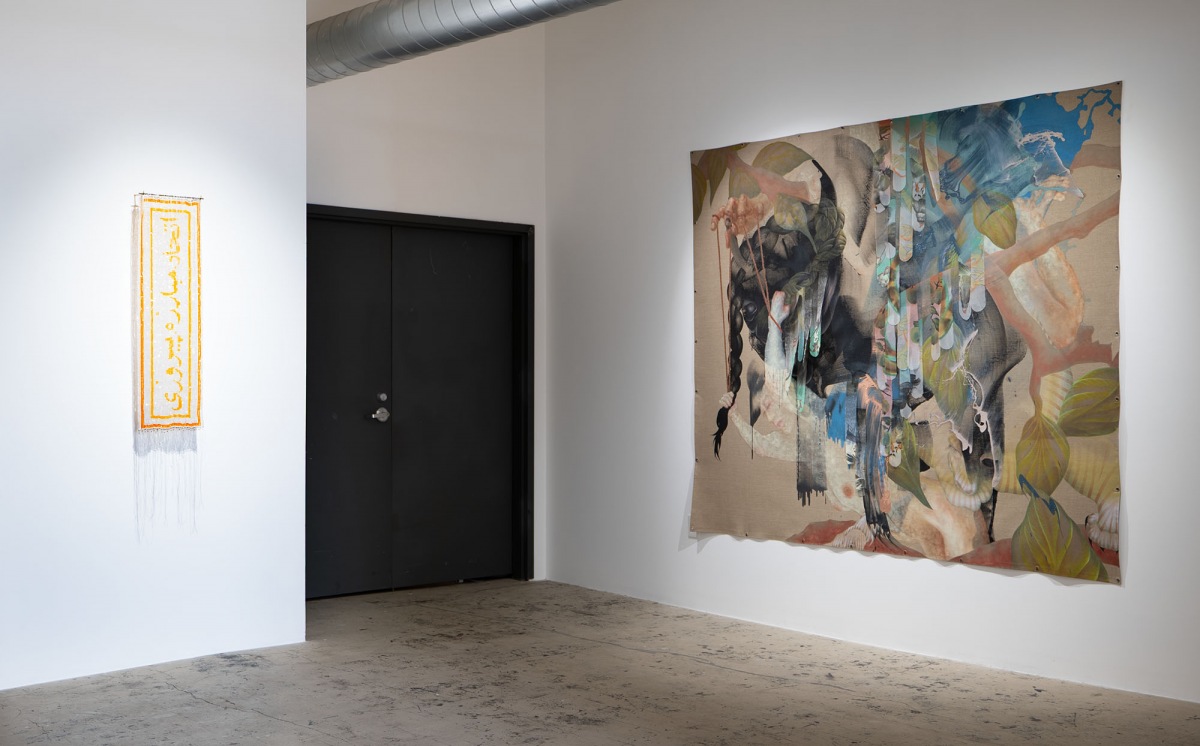
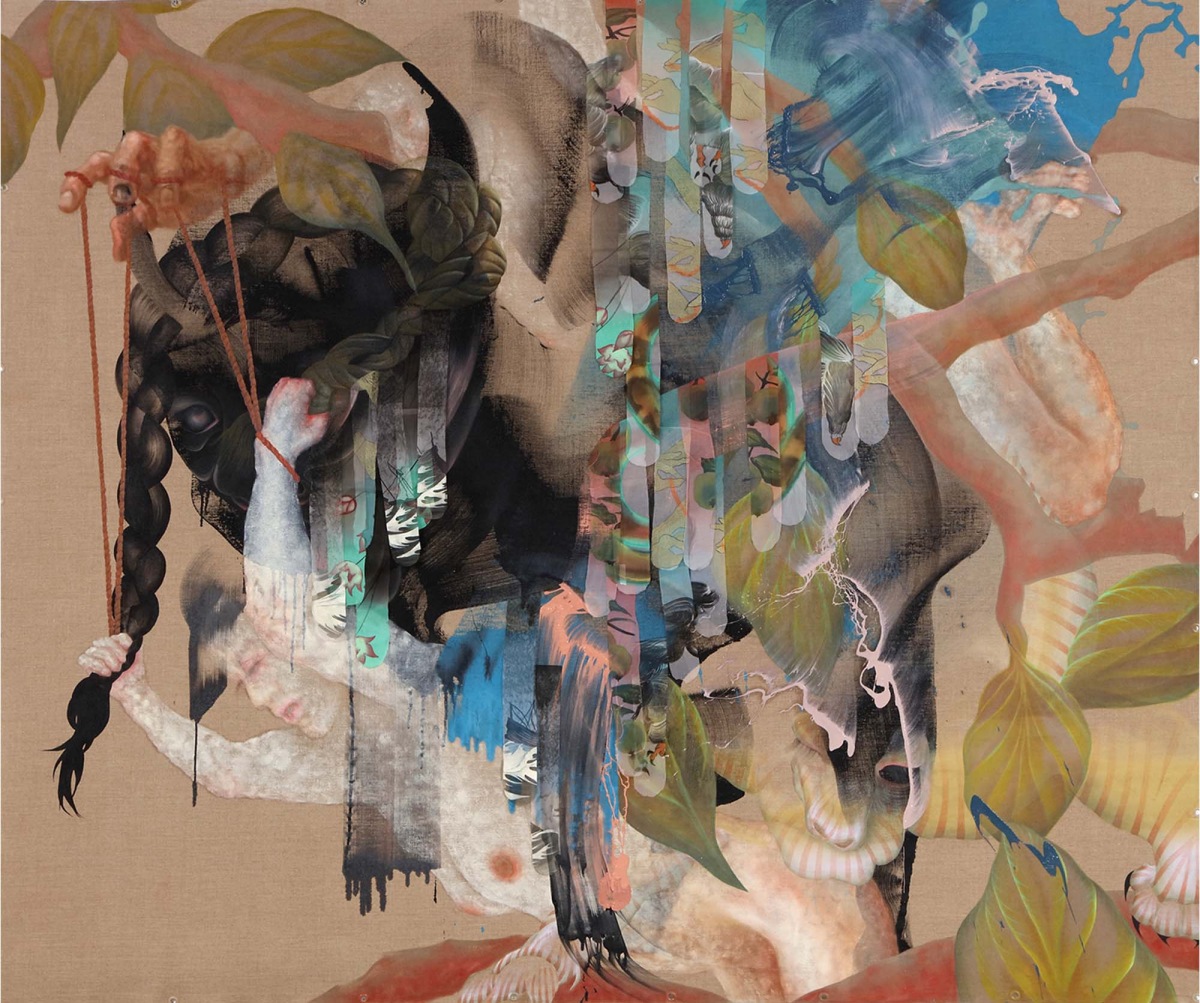
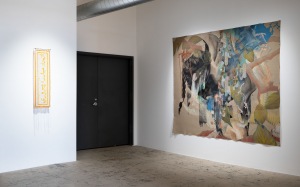
Lien Truong | Have You Ever Ridden a Buffalo? | 2023 | oil, silk, acrylic, chiffon, oil bronze pigment on canvas | 82.5 x 95 inches (212.85 cm x 245.1 cm)
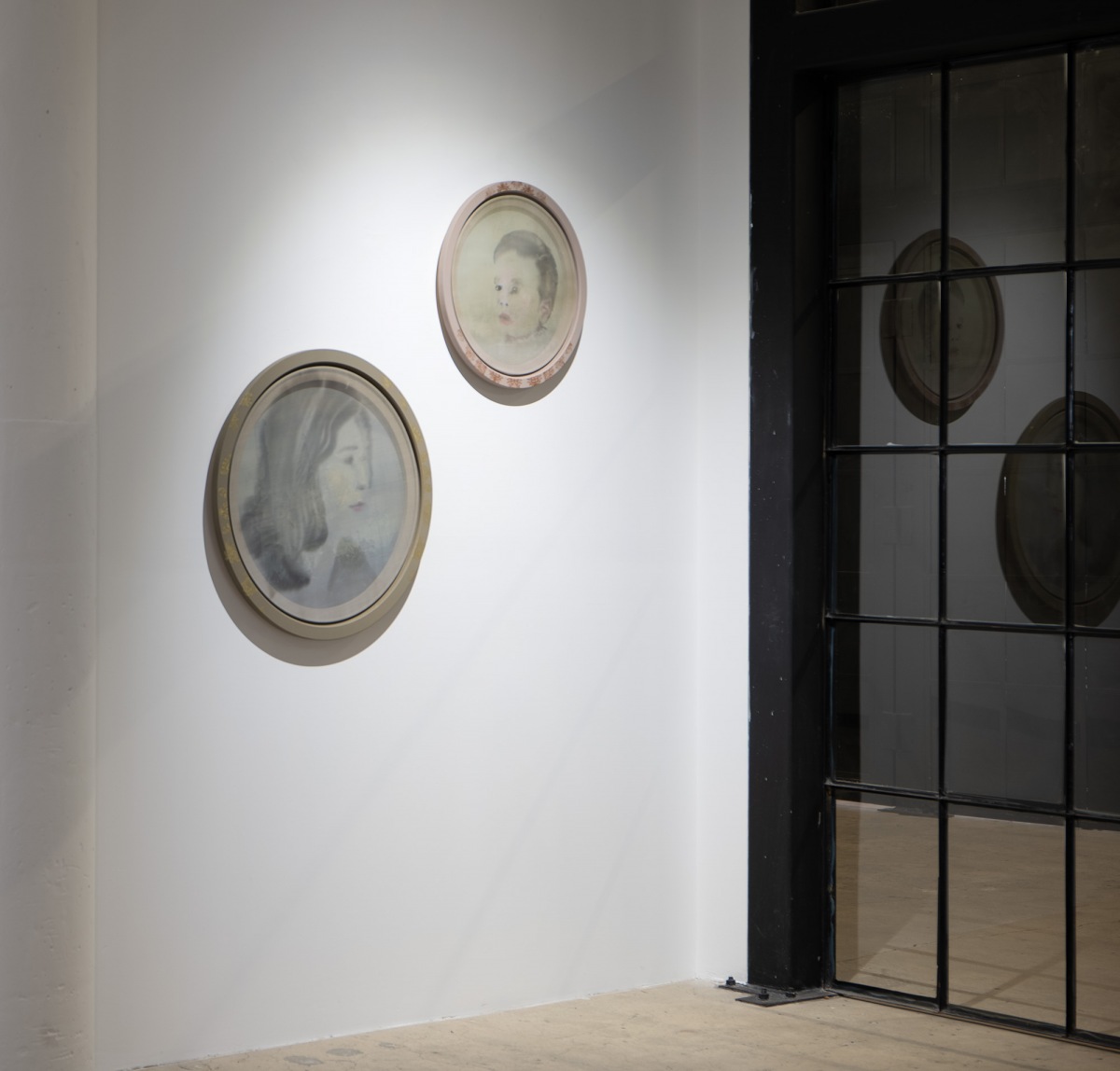
Lien Truong | Jaune Noir, Portrait Un | 2023 | Acrylic, silk, oil and silkscreen on birch panel, mdf frame | 27.5 x 27.5 inches (70.95 cm x 70.95 cm)
Lien Truong | Juane Noir, Portrait Quatre | 2023 | Acrylic, silk, oil and silkscreen on birch panel, mdf frame | 20.75 x 20.75 inches (53.535 cm x 53.535 cm)
Press Release
Liberté éclairant le monde:
Liberty Enlightening the World
Artists: Taraneh Hemami,Wakana Kimura, Preetika Rajgariah, Reyah, Gabby Severson, Lien Truong and Sanjay Vora
EXHIBITION DATES: July 18 – August 22, 2026
RECEPTION: Please join us for a celebratory reception for the artists on July 18th from 3–5:30 pm
Conversation & Walk-through: Saturday, July 18th at 2 pm
with Taraneh Hemami, Preetika Rajgariah, Gabby Severson, Sanjay Vora and Wakana Kimura.
* This is a standing only event –please let us know if you need special accommodations.
REVIEWS:
RABBLEROUSE NEWS: The Poetic Truth of Liberty Enlightening the World by Kaye Freeman
PATRICIA SWEETOW GALLERY is pleased to present Liberté éclairant le monde: Liberty Enlightening the World, Part 2 of Summer 2026, with artists Taraneh Hemami (San Francisco), Wakana Kimura (Los Angeles), Preetika Rajgariah (Houston), Reyah (Los Angeles), Gabby Severson (San Francisco), Lien Truong (Chapel Hill), and Sanjay Vora (Oakland).
America’s founding documents offered visions of a united country rising above cries of hate, xenophobia, and racism, a country that would strive for the highest ideals. Liberty Enlightening the World became that symbol of strength, courage, and compassion.
Emma Goldman, a political exile from Russia, arrived in America in 1885. In her memoir Liberty Enlightening the World, Goldman wrote, “She held her torch high to light the way to the free country, the asylum for the oppressed of all lands.” Emma Lazarus dedicated a poem, The New Colossus, “… Give me your tired, your poor, Your huddled masses yearning to breathe free, The wretched refuse of your teeming shore. Send these, the homeless, tempest-tost to me, I lift my lamp beside the golden door!”
Erected on Ellis Island, the Statue of Liberty became a beacon of hope in a turbulent America. As today, the political, racial, and economic divides during the mid-19th to early 20th centuries were profound, serving only the privileged few. The odd specter of Liberty (a towering female figure funded by private wealth) becoming an indomitable revolutionary symbol for those powerless and oppressed was extraordinary. With one outstretched arm offering the light of resistance, the other arm cradling the Declaration of Independence, Liberty unflinchingly proclaims, “Freedom for All!
The statue offered a stark contrast with America’s reality: a country that invaded and enslaved people for their economic value, fought a war to remain a slave-holding economy, turned away asylum seekers to their deaths during WWII, interned Japanese-American citizens in locked camps, birthed McCarthyism, held women as chattel and children as slave labor, and eradicated every Native American nation whose lands we occupy. The atrocities are epic and continuing—yet this is the country that held and continues to hold an embattled beacon of hope for the world.
With this preface, Liberty Enlightening the World is not about a single voice declaring who is America or American; it is about the many voices whose sacrifices, hopes, and dreams persist in shaping the future of this country.
______________________________
Taraneh Hemami‘s work is the struggle of Iran and America. Her practice is both community-centered, helping other Iranian artists transition to America and also singular as she describes and declaims state violence, grieving, loss, and erasure.
Hemani has received awards from Creative Capital, Creative Work Fund, Center for Cultural Innovation, California Council for the Humanities, and the San Francisco Arts Commission. Her works have been exhibited widely, including at the Yerba Buena Center for the Arts, Southern Exposure, Victoria and Albert Museum, Boghossian Foundation, and the Sharjah International Biennial.
Wakana Kimura is a Japanese artist who spent many of her formative years in America. Her metaphorical foil is Buddism. Gods and Goddesses traverse, emerge, and direct her choreography of subjects. Always one step ahead of understanding, always struggling to enlighten, her paintings don’t offer easy paths of recognition.
Kimura was born in 1978 in Izu, Shizuika, Japan. She lives and works in Los Angeles and Japan. She received her MFA from Otis College of Art and Design in 2011 and a BFA from Tokyo University of the Arts in 2002. Kimura is the recipient of the cover of the Los Angeles Asian American Pacific Islander Heritage Month 2025; 2023 COLA Independent Artist Project, Los Angeles; 2017-2020 Robertson Recreation Center mural from the Department of Cultural Affairs, Los Angeles, and in 2013 received a commission from the Los Angeles Metro, Through the Eyes of the Artist. Museum exhibitions include RSVP Los Angeles: The Project Series at Pomona, Pomona College Museum of Art, Claremont; IMA, Hinokisoken, Museum Meiji-Mura, Aichi, Japan, and Invoke, Udatsu no Kogei Kan Museum, Fukui.
Preetika Rajgariah is an Indian-born, Texas-raised American. Their multidisciplinary practice considers how identity is shaped by inheritance, desire, contradiction, and the commercial systems that often package culture for public consumption. Rajgariah received the prestigious Artadia award, and has been recognized with reviews in ArtForum, Hyperallergic, Culture, and The Brooklyn Rail. Select residencies include McColl Center, Charlotte, NC; Houston Center for Contemporary Craft, Houston, TX; Stove Works, Chattanooga, TN; Golden Foundation, New Berlin, NY; The Momentary at Crystal Bridges, Bentonville, AK; Oxbow, Saugatuck, MI; ACRE, Steuben, WI; Vermont Studio Center, Johnson, VT; School of Visual Arts, New York, NY
Reyah works as both photographer and subject. Their self-portraiture explores cultural iconography, and staged narrative to explore gender, childhood trauma, religion, and the Black body. Reyah was a guest speaker in a series produced at MoAD, In the Artists Studio—Reyah.
Gabby Severson is in the last MFA graduate class from California College of the Arts. A mixed Indigenous artist of Siletz heritage, works across photography, beadwork, basketry, and sculpture to record, translate, and regenerate evidence of Indigenous identity.
At 2 years old, Lien Truong was air lifted out of Vietnam with her family during the abrupt departure of American troops at the end of the Vietnam war. Her work addresses the psychological consequences of displacement, emigration, and growing up in America. Her multi-layered paintings metaphorically trace her matriarchal lineage, and the complexities of mother/daughter relationships complicated by the trauma of immigration during war.
Exhibitions include the National Portrait Gallery [Washington, DC], Nasher Museum of Art [Durham, NC], Cantor Arts Center at Stanford University [CA], North Carolina Museum of Art [Raleigh, NC], Southern Exposure [San Francisco, CA], Van Every | Smith Galleries [Davidson, NC], Station Museum of Contemporary Art [Houston, TX], Weatherspoon Art Museum [Greensboro, NC], Cameron Art Museum [Wilmington, NC], the Centre of Contemporary Art in Moscow and Yekaterinburg, Oakland Museum of California, and Pennsylvania Academy of Art [Philadelphia, PA]. Her awards and fellowships include the Joan Mitchell Foundation Painters and Sculptors Grant, the Institute of the Arts and Humanities, the North Carolina Arts Council, the Jack and Gertrude Murphy Fine Arts Fellowships, and residencies at the Oakland Museum of California, Jentel Foundation, and the Marble House Project.
Sanjay Vora grew in rural New Jersey. His paintings emerge from the layered space between Indian heritage and American identity, treating Americanness not as a fixed identity but as an ongoing negotiation between ancestry, place, nostalgia, and mortality.
Vora’s paintings are currently on view through September 6th at the USC Pacific Asia Museum in the exhibition Mythical Creatures: The Stories We Carry.