Popup: Sparkle, Splat, Spin at Minnesota Street Projects, San Francisco
Press Release
Sparkle ∙ Splat ∙ Spin
at MSP, San Francisco
Artists: Pliar Agüero-Esparza, Jen P. Harris, John Paul Morabito, Uma Rani-Iyli and Cornelia Schulz

Exhibition: Sparkle, Splat, Spin
Location: Minnesota Street Projects, 1275 Minnesota Street, Suite 211, San Francisco
Exhibition Dates: Wednesday, October 14 – Saturday, October 31, 2026
Reception: Saturday, October 17th, 3-5:30pm
In Conversation:
▾
Saturday, October 17th at 2pm – John Paul Morabito, Jamie Vasta
Saturday, October 24th at 2pm – Pilar Agüero-Esparza, Uma Rani-Iyli
PATRICIA SWEETOW GALLERY is thrilled to do a month-long pop-up at Minnesota Street Projects, where the gallery will present 2–2-week exhibitions. This is Part 2, Sparkle, Splat, Spin which continues our exploration of artists who work with or reveal textiles, stretching traditional and non-traditional materials as a cultural medium in their practice. Artists include Pilar Agüero-Esparza (San Jose), Jen P. Harris (Cleveland), John Paul Morabito (Ohio), Uma Rani-Iyli (San Francisco), Cornelia Schulz (San Francisco), and Jamie Vasta (Oakland). Themes of legacy, race, politics, and gender fluidity continue.
CONVERSATIONS:
Saturday, October 17th at 2pm: John Paul Morabito & Jamie Vasta
The use of fiber and non-traditional materials to animate queer themes is front and center in Jamie Vasta’s narrative portraiture, Jen P. Harris’ loom paintings, and John Paul Morabito’s beaded tapestries. A great opening for further conversation!
Saturday, October 24th at 2pm: Uma Rani-Iyli & Pilar Agüero-Esparza
Both artists will discuss how family legacy, tradition, and culture inform their respective studio practice. We’ll also learn about Agüero-Esparza’s remedial mural project, La Vida en Los Dichos, her 1999 work commissioned by the City of San José and the San José Arts Commission for the Biblioteca Latinoamericana—a multi-panel work on San José’s history and community, one panel of which depicts César Chávez. The conversation turns to her transformation of that panel following public allegations about Chávez and to the community engagement process guiding the work.
ABOUT THE ARTISTS

Pilar Agüero-Esparza’s striped color field paintings mesmerize with unexpected intersections of woven leather and fringe, extolling the skill and indigeneity of her parents cobbler tradition, specifically the crafting of woven huarache sandals. Her exquisite chromatic stripes act as proxies for the categorization and hierarchies of skin tones and discriminatory practices. As Pilar describes, “By melding abstraction with the making strategies learned in childhood, I aim for a radical authenticity that generates tension along with material freshness and contradiction. Employing the language of abstraction, I delve into the tropes of Color Theory, blending a skin-tone palette with prismatic colors to highlight the complexities of skin color. I aim for viewers to perceive my works as ‘racialized abstractions’ and prompt contemplation of social dynamics and colorism within our culture.”
In lesser hands, the inclusion of material, tradition, theory, practice, heritage, race, and aesthetics might implode, but instead the elegant grace of the woven and the symmetry of the color fields present a striking attunement—a singular approach to how Agüero-Esparza navigates the politics of color.
In 2025, Agüero-Esparza received the prestigious Eureka Fellowship Award from the Fleishhacker Foundation in San Francisco. She’s exhibited her work in institutions including the San Jose Museum of Art, Triton Museum, Yerba Buena Center for the Arts, the Santa Cruz Museum of Art & History, the De Young Museum, and the Montalvo Arts Center. In 2017, her work was featured in the exhibition “The U.S.-Mexico Border: Place, Imagination, and Possibility” at the Craft Contemporary Museum, Los Angeles, as part of the Getty Foundation Southern California initiative Pacific Standard Time: LA/LA, an ambitious exploration of Latin American and Latino art. In 2019, the U.S.-Mexico Border exhibition traveled to Lille, France, as part of the Eldorado Lille 3000 arts festival. In 2022, as an artist-in-residence and Lucas Artist Fellow, she was commissioned to create a large-scale outdoor work for the exhibition “Claiming Space: Refiguring the Body in Landscape” at the Montalvo Arts Center.

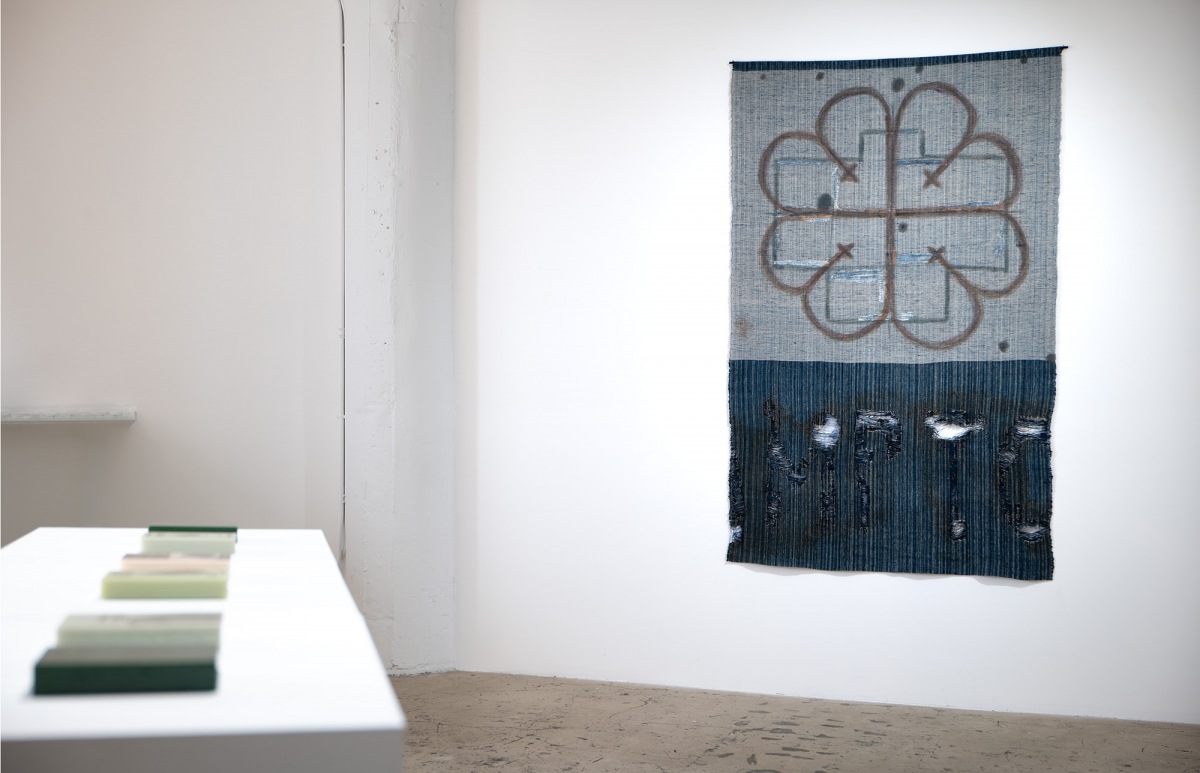
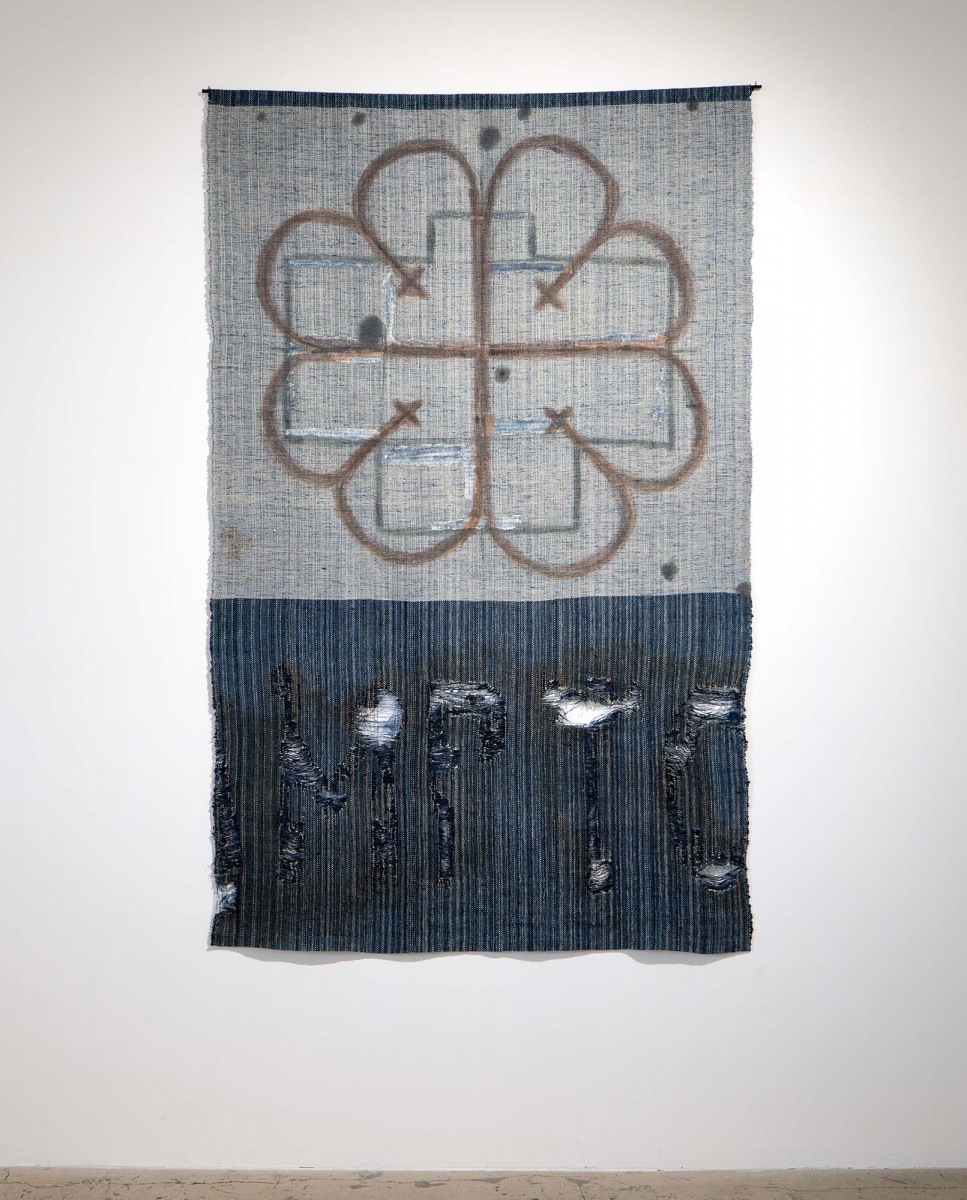
Jen P. Harris repositions the relationship between painting and weaving. Their paintings pose an intersection of ambiguity, where neither painting nor weaving resolves without the slippage between both. Suspending expectations, Harris obscures their paintings by animating the painting as a loom, stretching a warp of yarn from the top profile of the painting to the bottom of the stretcher, whereupon they needle weave the weft in response to the newly camouflaged composition. Harris’ unique approach electrifies the dance between media, each transgressing the space and story held by the other. Their paintings become a queer metaphor where concrete morphs and dissolves into a river of nonlinear multiplicity.
Jen P. Harris, (b. 1977) received a BA in Studio Art from Yale University, and an MFA in Painting from Queens College CUNY. She was awarded a Fellowship in Painting from the New York Foundation for the Arts in 2012, a Pollock-Krasner Grant in 2025, and a 2026 Albee Fellow from the Edward Albee Foundation AIR at The Barn. Her works are in numerous public and private collections and are featured in the upcoming book TEXTILES x ART, published by Thames and Hudson, 2025.

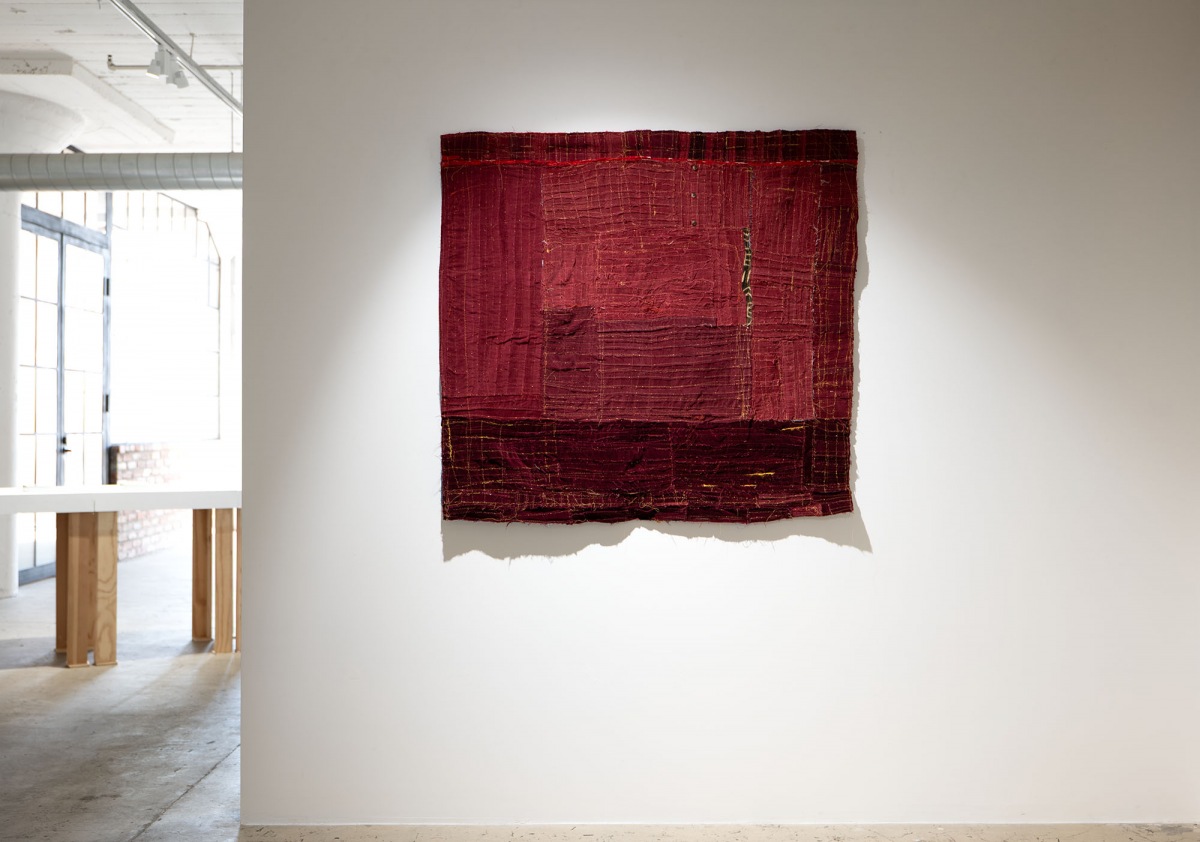
Uma Rani Iyli, with her wrapped sari silk ‘paintings,’ opens our views with vibrant sunsets and nocturnal fields of color. Having grown up in India’s traditional caste-based society, Iyli identifies as belonging to the female Indian weaver’s community. She references weaving, stitching and pattern making in her art spinning remnant silk sourced directly from weaver communities that she collects during her annual trips to Southern India. Through her use of spun silk and plexiglass tubes, Iyli spends hours spinning silk around plexiglass tubes, both a creative and meditative process which unfold in vibrant compositions inspired by the motifs, traditions and colors found in 7 yards of exquisite Indian Saris. Uma Rani Iyli is included in national collections, with a recent acquisition by the San Francisco Fine Arts Museums.

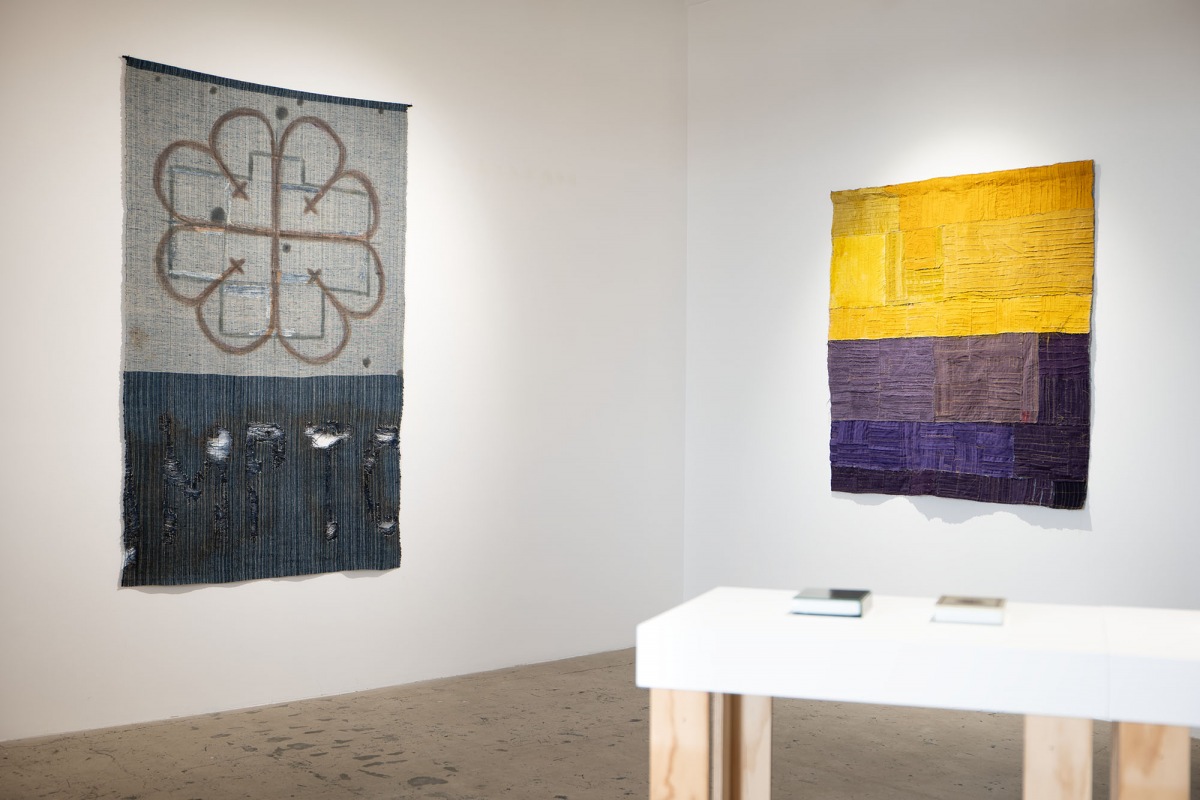
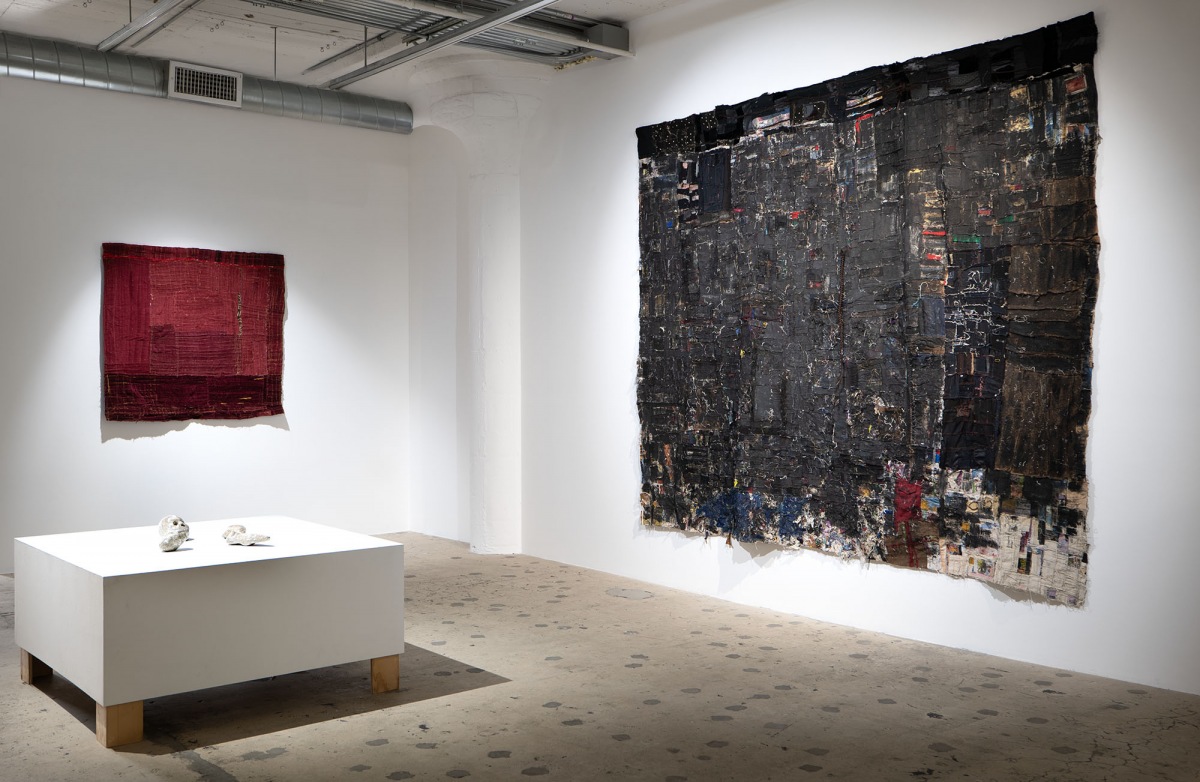
Improvisation guides John Paul Morabito’s woven abstractions; bold intersecting geometry with electrifying gold and hot neon colors are the intuitive gestures of “the body pulsing to the rhythm of the beat.” Morabito’s work delivers “a spark of divinity,” reaching back in time to the cultural zenith that celebrated queer spaces. Their unabashed emphasis on metaphor, beauty, and sensuality fuels the recovery of queer identity, community, and place—“where glamour, glitter, sweat, and low light open embodied pathways to find something greater than yourself.” Glass beads, hand-dyed wool, and cotton in the hands of Morabito become the sacrament of possibility, defying voices that would choose to turn back the clock of time.
John Paul Morabito was awarded the prestigious United States Artists Fellowship in January 2024. They are Assistant Professor and Head of Textiles at Kent State University in Ohio. From 2013 to 2022 they were on the faculty at the School of the Art Institute of Chicago in the Department of Fiber and Material Studies. They hold a BFA from the Maryland Institute College of Art and an MFA from the School of the Art Institute of Chicago.
In tandem with their studio, John Paul Morabito pursues a practice-led scholarship that positions weaving as a critical platform of cultural production. Their writing has been published in Art China, The Textile Reader 2 (China Academy of Art), The Journal of Textile Design Research and Practice, Textile: Cloth and Culture. Their work has been included in museum exhibitions, including the Art in Embassies Program, Washington, DC; The Threads We Follow, Southeastern Center for Contemporary Art (SECCA), Winston-Salem, NC; Queer Abstraction, curated by Jared Ledesma, Des Moines Art Center, Des Moines, IA; Nerman Museum of Contemporary Art, Overland Park, KS; Hangzhou Triennial of Fiber Arts, Zhejiang Art Museum, Hangzhou City, China and their recent solo exhibition at the Sonoma Valley Museum of Art. Their tapestries are included in public and private collections, with a recent placement at the North Carolina Museum of Art, Raleigh.

Cornelia Schulz’s high rise oil paintings defy the structural limits of oil paint. Even the best photo reproduction fails to impart the physical and spiritual authority of her small, shaped, chromatic paintings. Schulz has evolved a contemporary synthesis of Abstract Expressionist painting, such as the likes of her San Francisco Bay Area contemporaries, Jay DeFeo and early Joan Brown. Her masterful manipulation of paint, yielding to the subtly shaped support, is an incessant call and response forming high and flat passages, a testament to her vision, skills and willingness to risk failure and loss.
“Not all abstract painting spurs me to its defense as something spiritually sustaining and necessary, as Schulz’s work does. Her art fits within an American lineage descended from a pivotal decade, roughly mid 1950s to mid 1960s, during which the ambiguous formal limits of paintings and sculpture, and of their reach, were freighted with larger questions of art’s self-definition and of the values that a wider culture wished to ascribe to it.” (Kenneth Baker, “On Fire,” Cornelia Schulz 2021 – 2018)
PSG had our first exhibition with Cornelia Schulz in 1998. Schulz (b. 1936) lives and works in the San Francisco Bay Area. Her early education in the arts began at the Los Angeles County Art Institute in 1954 through 1957, the heyday of the California Ceramics Revolution. She studied sculpture in clay and wood with Renzo Fenci (1914 – 1999), and drawing from Herbert Jepson (1908 –1993). She received her Bachelor of Fine Arts in painting (1959) and her Master of Fine Arts in welded steel sculpture (1961) from the San Francisco Art Institute (SFAI). Schulz became the first woman Chair of the University of California Davis Department of Art from 1998 to 1992, she retired as Professor Emeritus in 2002 after 34 years.

Ballroom culture as imagined through 19th-century Pre-Raphaelite paintings is front and center in Jamie Vasta’s glitter works, a celebration of the shimmering, diverse expressions of queer identity. The composite glitter portraits draw inspiration from the opulence, bearing, and metaphor found in Pre-Raphaelite paintings. Rousing in lush outdoor environs and restaged with queer identities in full bloom, Vasta’s fictive family are gorgeous, tattooed, costumed, commanding and heralded by community—they refuse the lassitudes of erasure and closeted thinking, Vasta’s work “…defies traditional notions of beauty and representation.”
Jamie Vasta received her MFA from the California College of Arts in 2007. Her work has been reviewed in Artillery, Art in America, Artforum, art LTD, Modern Art Obsession, The Boston Globe, The New York Times, SF Weekly, and The Bay Guardian. Vasta is included in prestigious public and private collections, including the Berkeley Art Museum and Pacific Film Archive, Arizona State University, the Crocker Art Museum, Sacramento and the Beckstead-Lerma-Annala Collection of The University of Texas at San Antonio, UTSA Libraries and Museums.
Artist Page
Future Past Tense
Press Release
Future Past Tense
Artists: Esperanza Cortés, Cheryl Derricotte, Karen Hampton, Asa Jackson, Fay Ku
EXHIBITION DATES: Saturday, September 12 – October 30, 2026
*The gallery will be open on Saturdays (12-5pm) through the month of October. The exhibition continues with regular hours Nov. 4th through November 30th: (Wed-Sat: 11-6pm)
RECEPTION: Please join us for a celebratory reception for the artists on Saturday, September 12th from 3–5:30 pm
Conversation: Saturday, September 12th at 2 pm
Cheryl Derricotte, Karen Hampton and Asa Jackson.
* limited seating
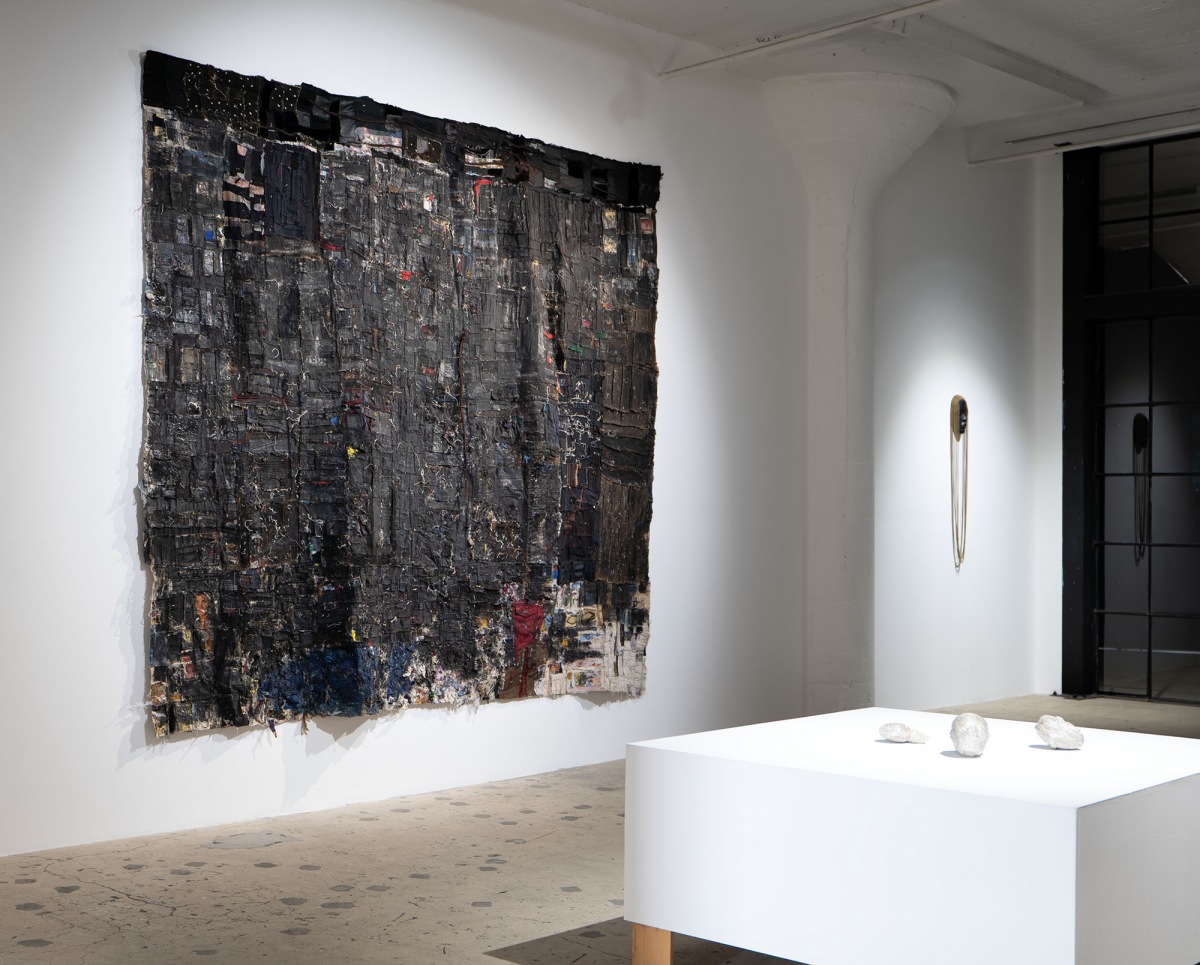
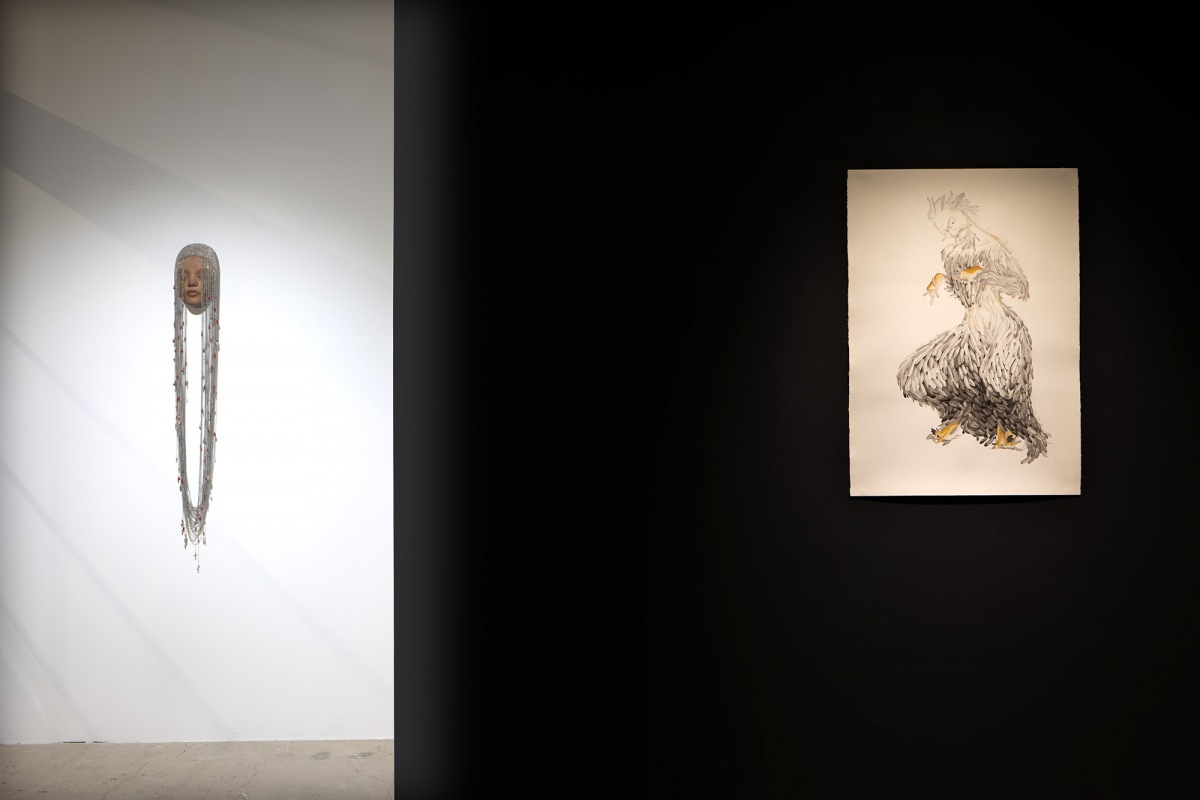
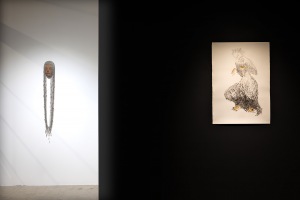
PATRICIA SWEETOW GALLERY is pleased to present Future Past Tense with Esperanza Cortés (New York), Cheryl Derricotte (San Francisco), Karen Hampton (New Mexico), Asa Jackson (North Carolina) and Fay Ku (New York). The artists in this exhibition mirror historical and private chronicles to unmask past/future intersectionality. Their work posits that today is embedded in the immutable shadows of yesteryear.

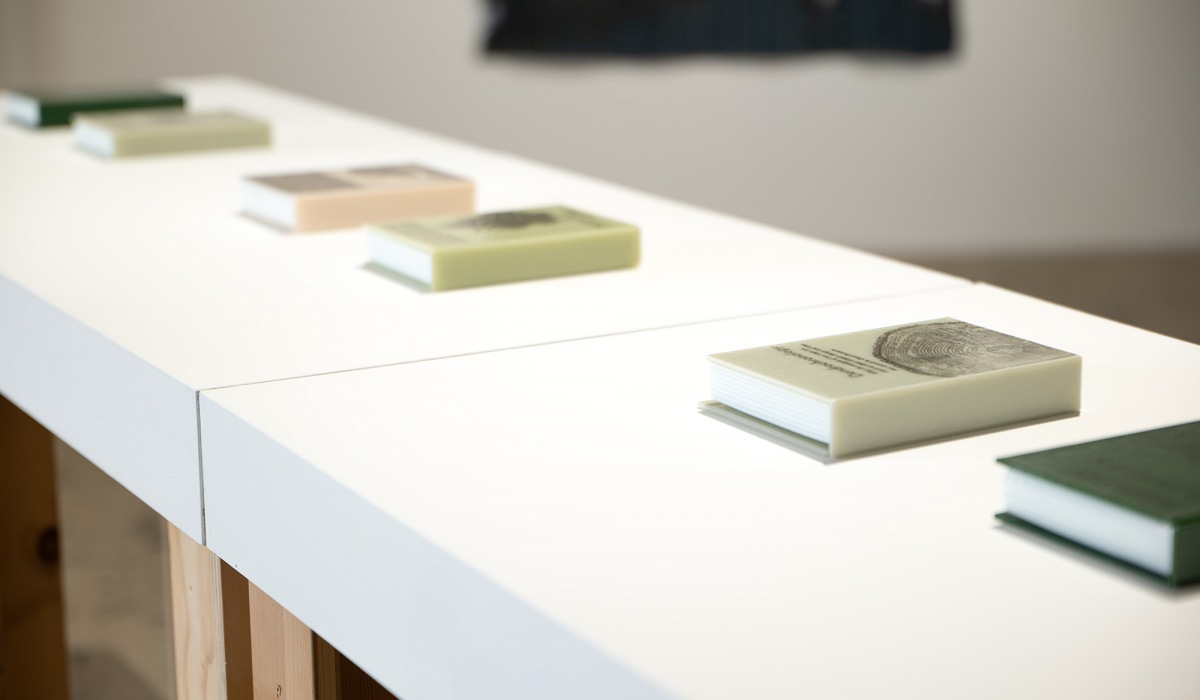
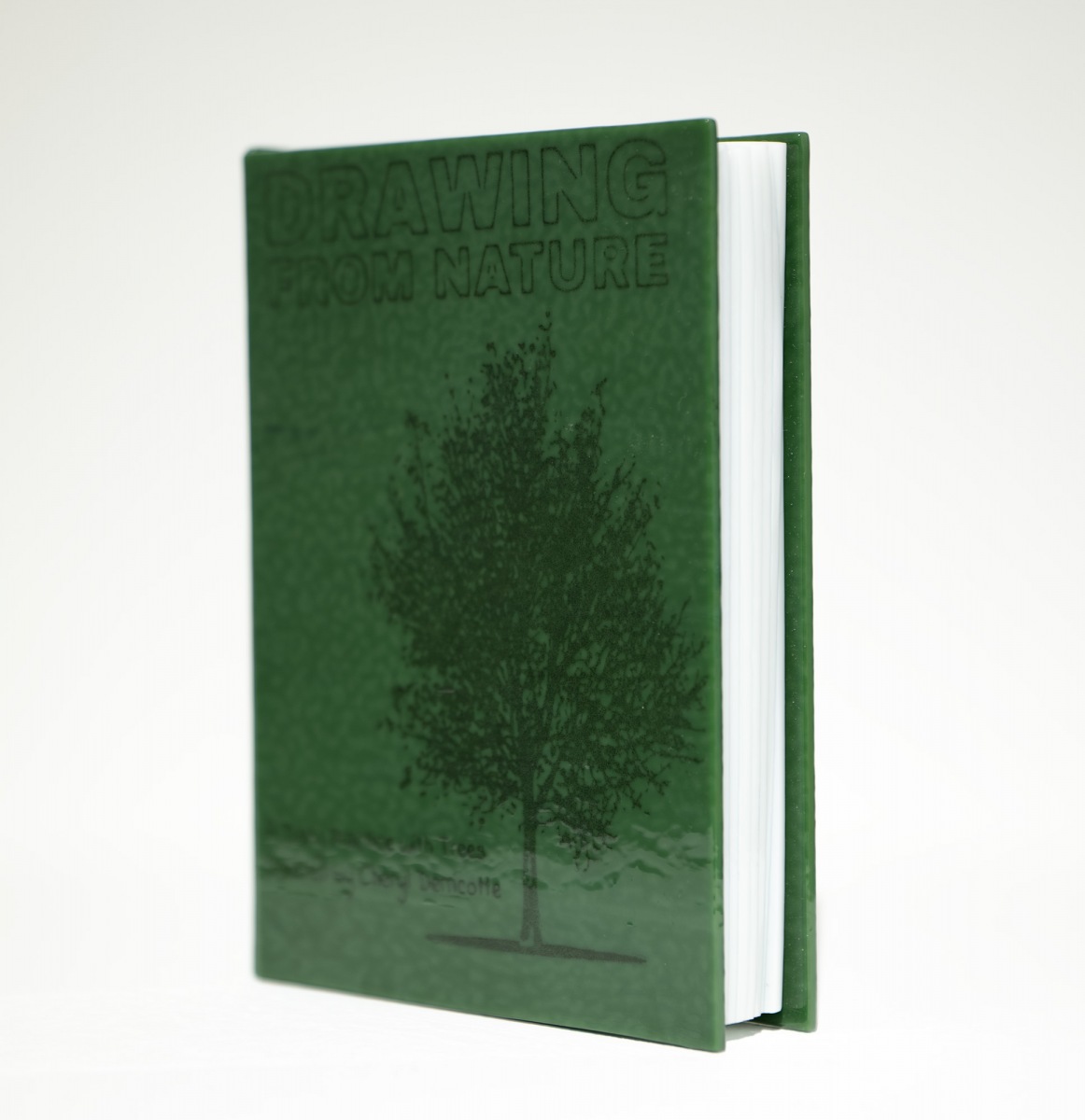
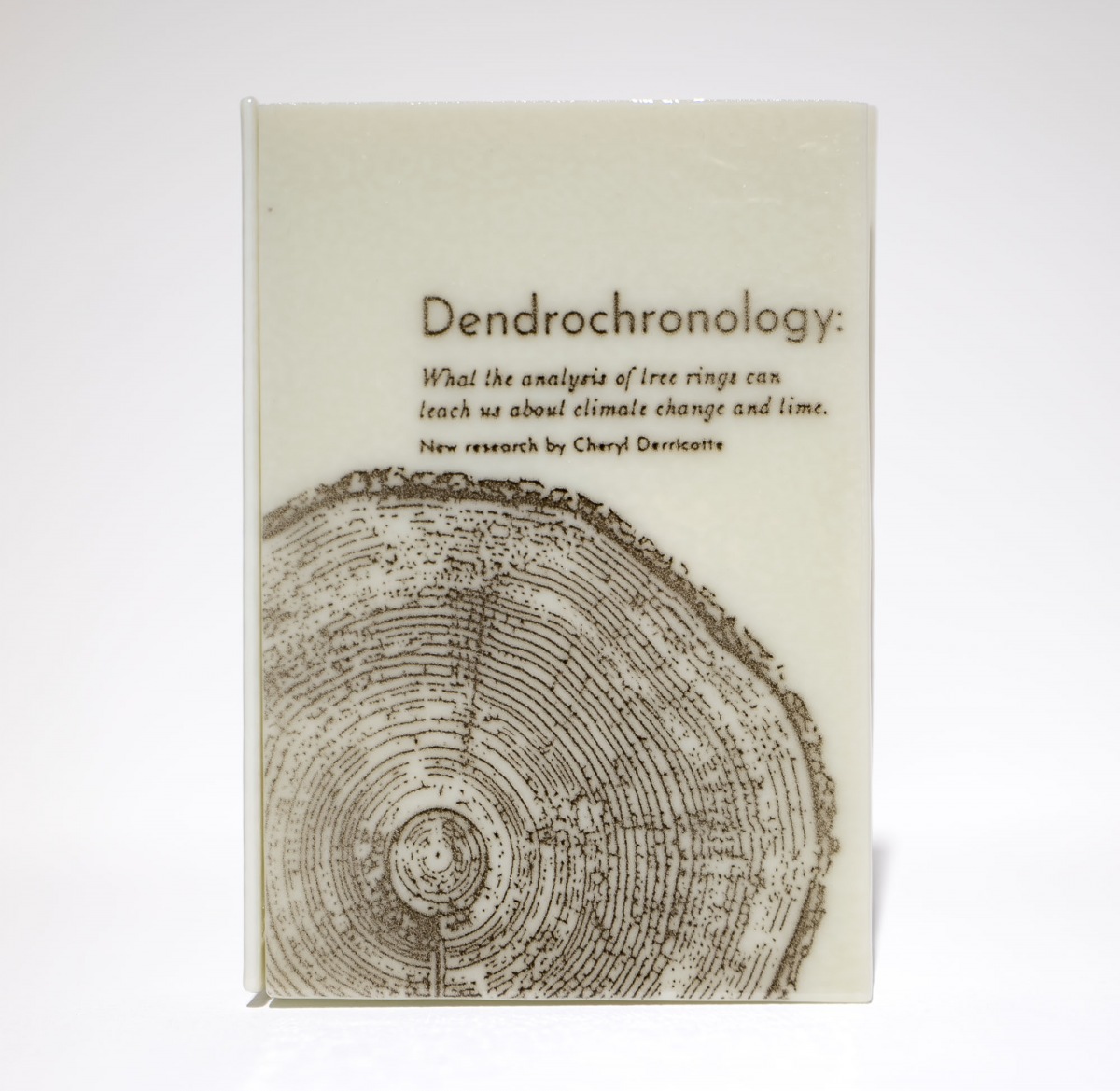
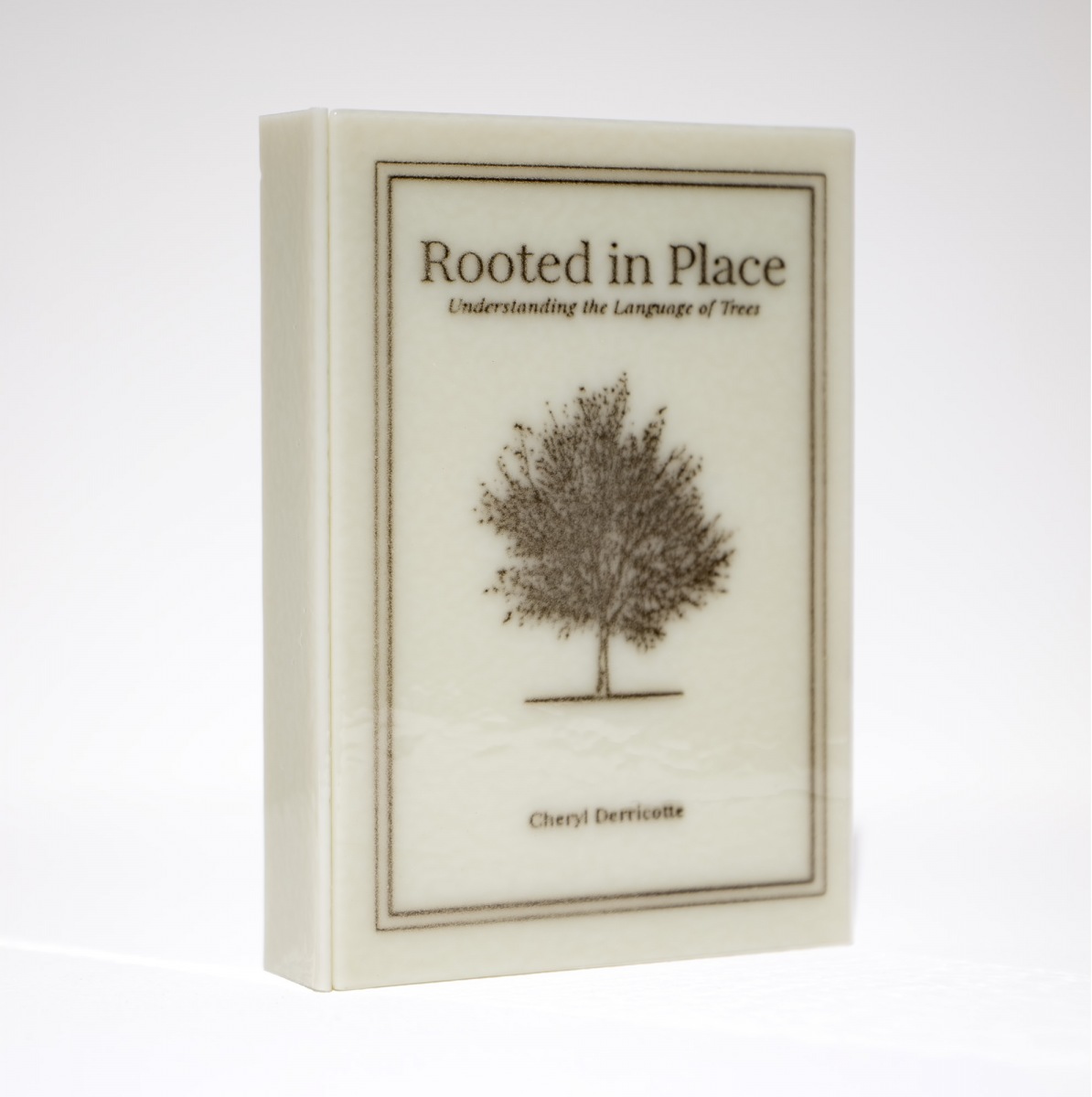
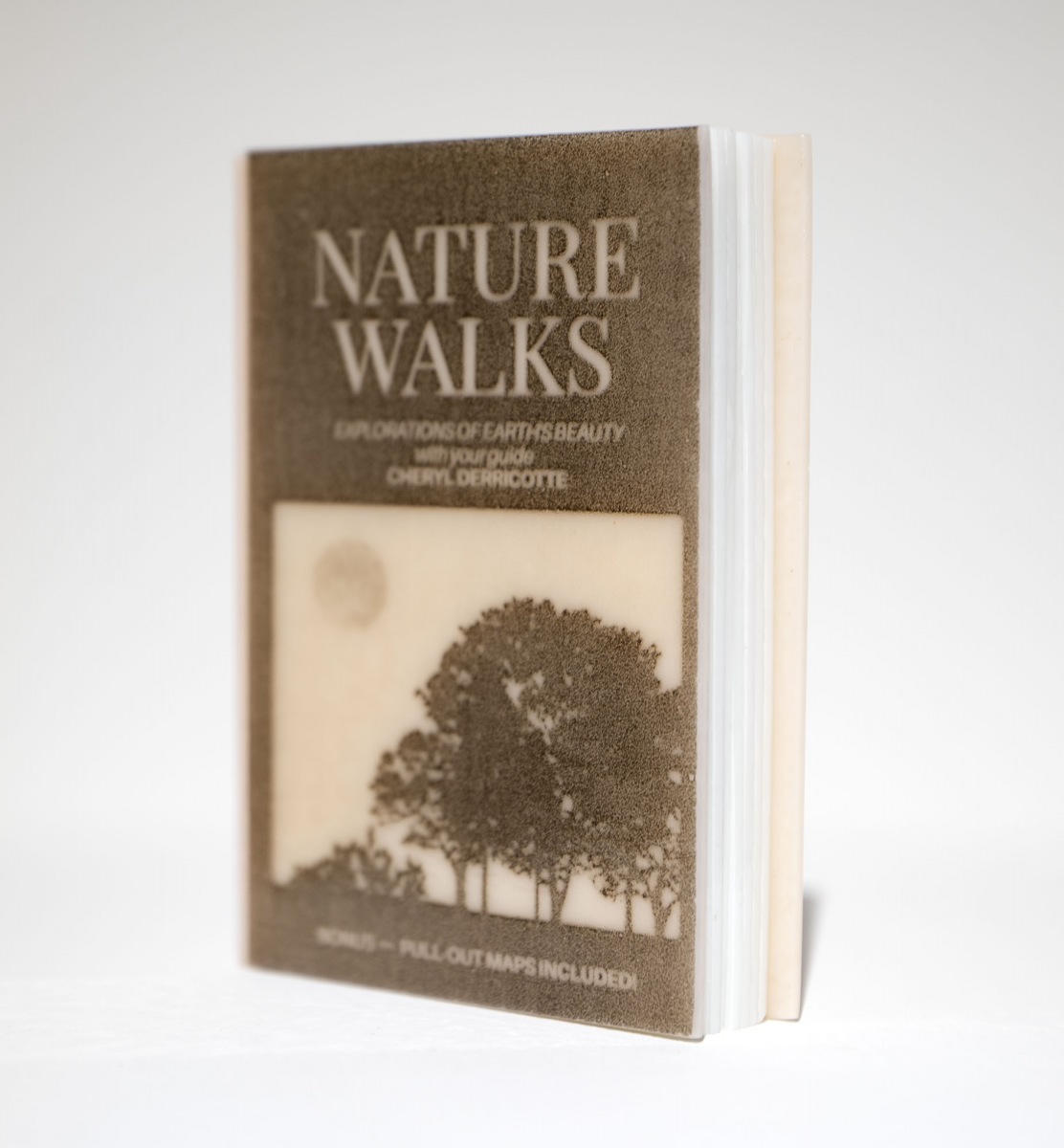
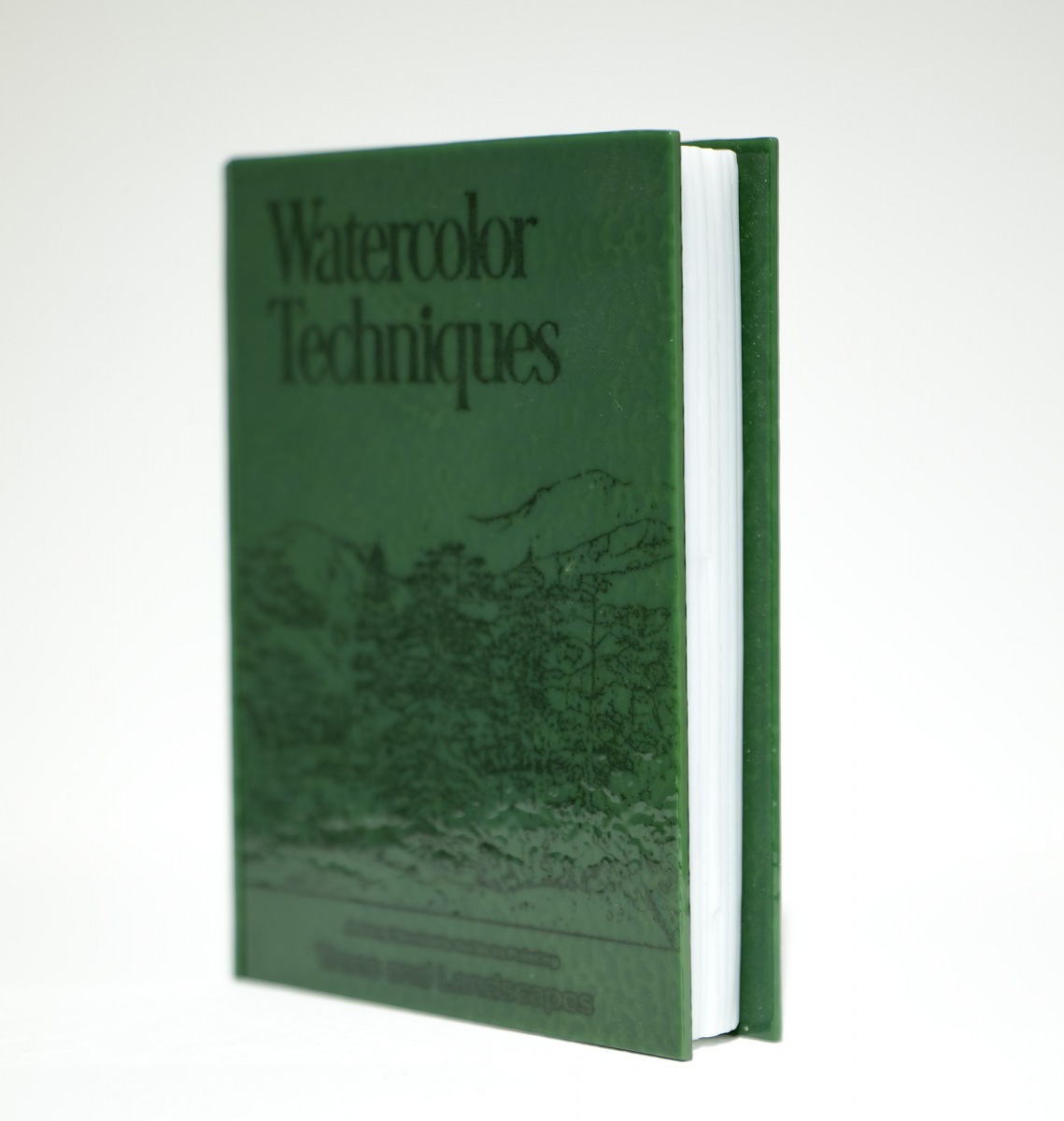
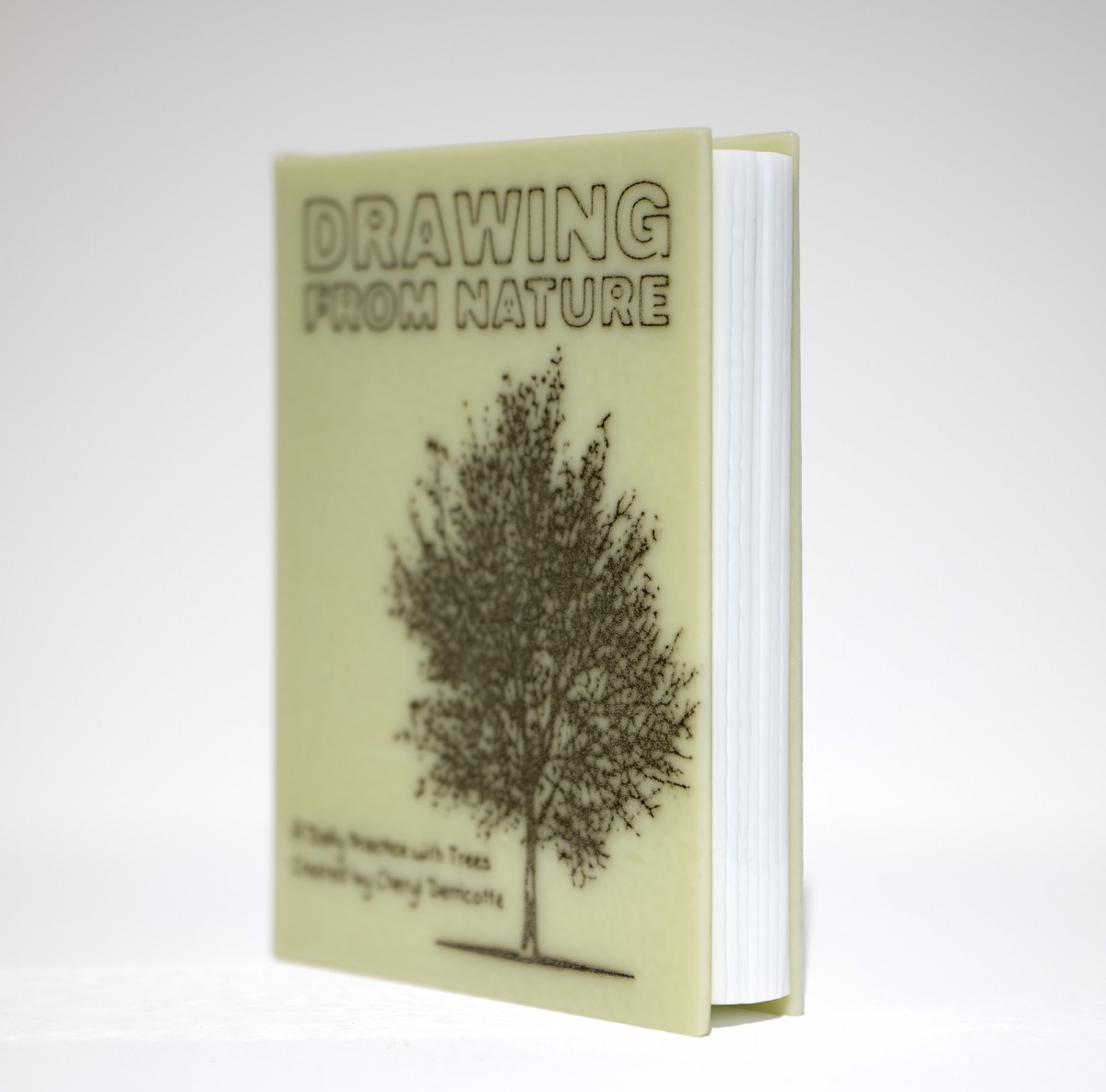
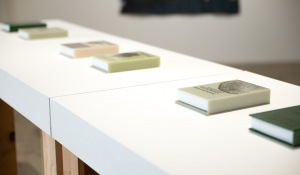
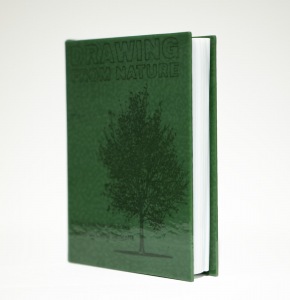
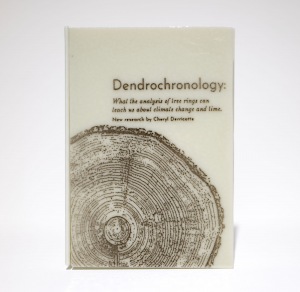
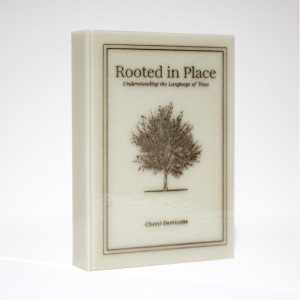
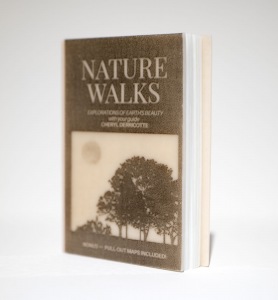
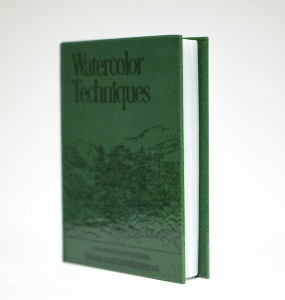
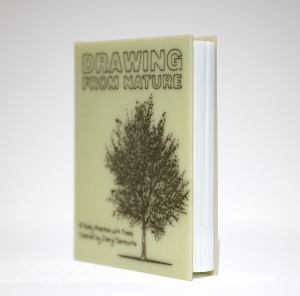
Cheryl Derricotte’s first sentence in her artist statement declares, “I do not often lead with beauty, but my work is well-crafted using beautiful materials.” Our perspective differs; not only are the glass books included in this exhibition stunning, they are thoughtful collaborators investigating race, environment, economics, politics, and community.
Derricotte’s glass, textile, and print work often honors forgotten Black female historical figures—women systemically erased from visibility. In 2022, she created a limited-edition artist book to elevate the accomplishments of Mary Ellen Pleasant, formerly enslaved, who became one of the richest Black women in Gold-Rush-era San Francisco. Derricotte made an elegant set of glass table settings in the manner of Pleasant, who was known for her exquisite dinner parties in support of abolitionists and reformation to end slavery.
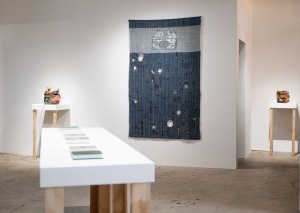
In 2026 Derricotte began making a series of glass books, with fictitious titles of her own design, such as Rooted in Place, Watercolor Techniques, and Nature Walks. The six books included in this exhibition reflect a range of topics, nothing of legend, until you understand the symbolic erasure of Black American inclusion in any avocation, let alone profession.
Cheryl Derricotte was the first recipient of the first BIPOC Residency at The Studio at the Corning Museum, Corning, NY. Other grants and residencies include the Windgate Craft Artist Fellowship/Residency, Vermont Studio Center, Johnson, VT, and the Black [space] Residency, San Francisco. Collections include the de Young Museum, San Francisco, CA; Museum of Glass, Tacoma, WA; Oakland Museum of California; San Francisco Archives/San Francisco Public Library; The Saint Louis (MO) Mercantile Library; and The Newberry Library, Chicago, IL

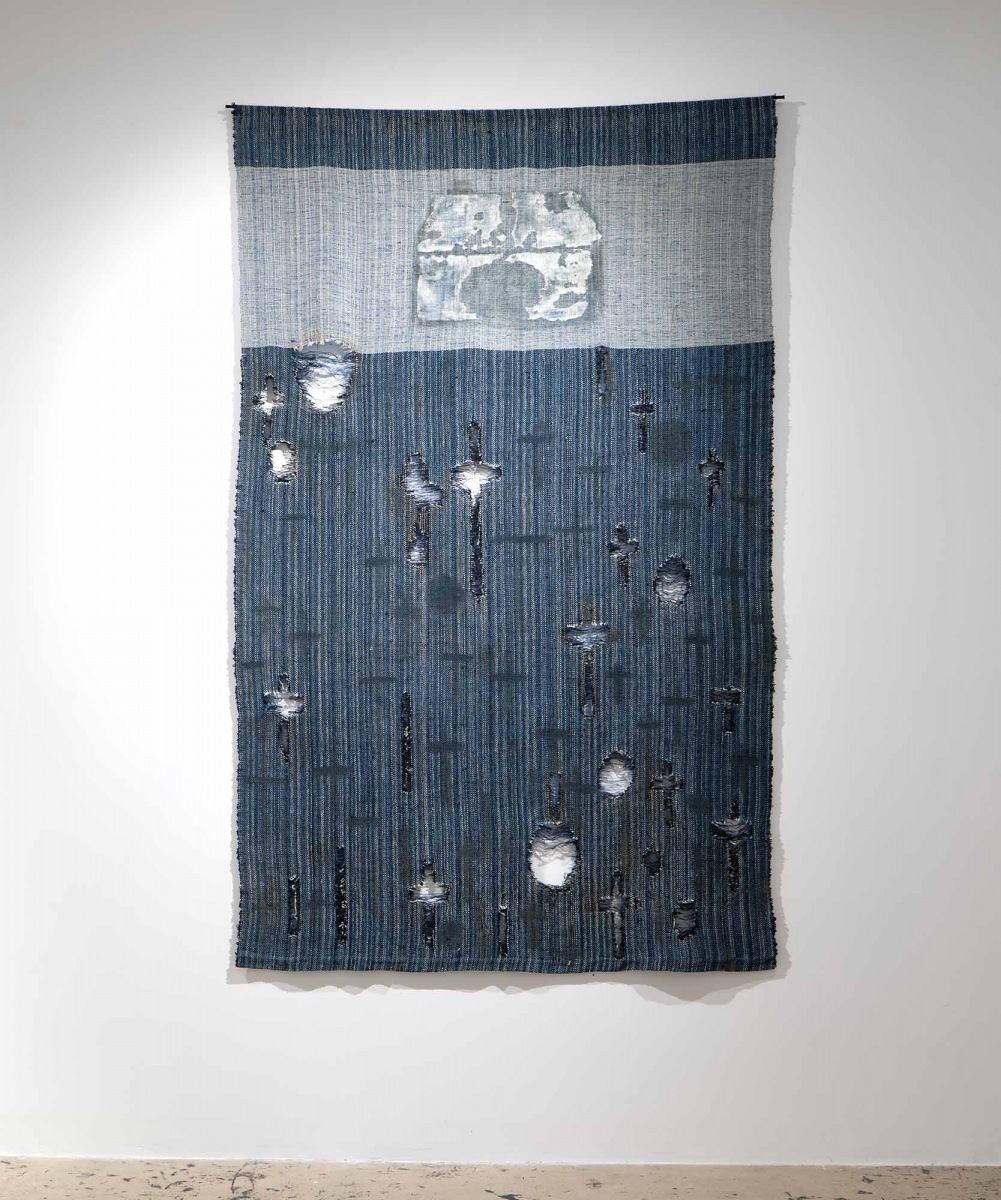
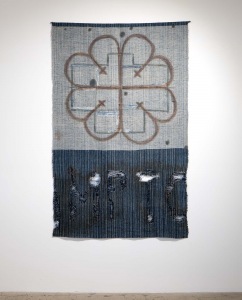
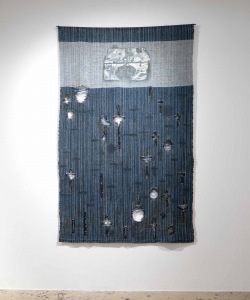
Karen Hampton’s tapestries included in this exhibition are apocryphal. Hampton spent years tracing her ancestry, knowing her surname was derived from the plantation where her African ancestors were enslaved. The Hampton plantation imprisoned her forebears as ‘property of the estate,’ hundreds of Black men, women, and children enslaved for generations. She swore never to visit the South Carolina property, but indeed, that is precisely what she did.
Sharing her research into her familial name and heritage with the plantation docents, they kindly offered Karen access to areas of the estate closed off to visitors. Alone and overwhelmed by the immensity of the injustice and trauma experienced by those enslaved on the property, she began to hear cries filtering through the creaking floorboards and walls. Those cries penetrated every fiber of her being. She descended the stairs, aware of the presence of spirits. Karen mentioned her experience to the docents, they too had heard the cries. Karen knew that 400 years of history could never be silenced.
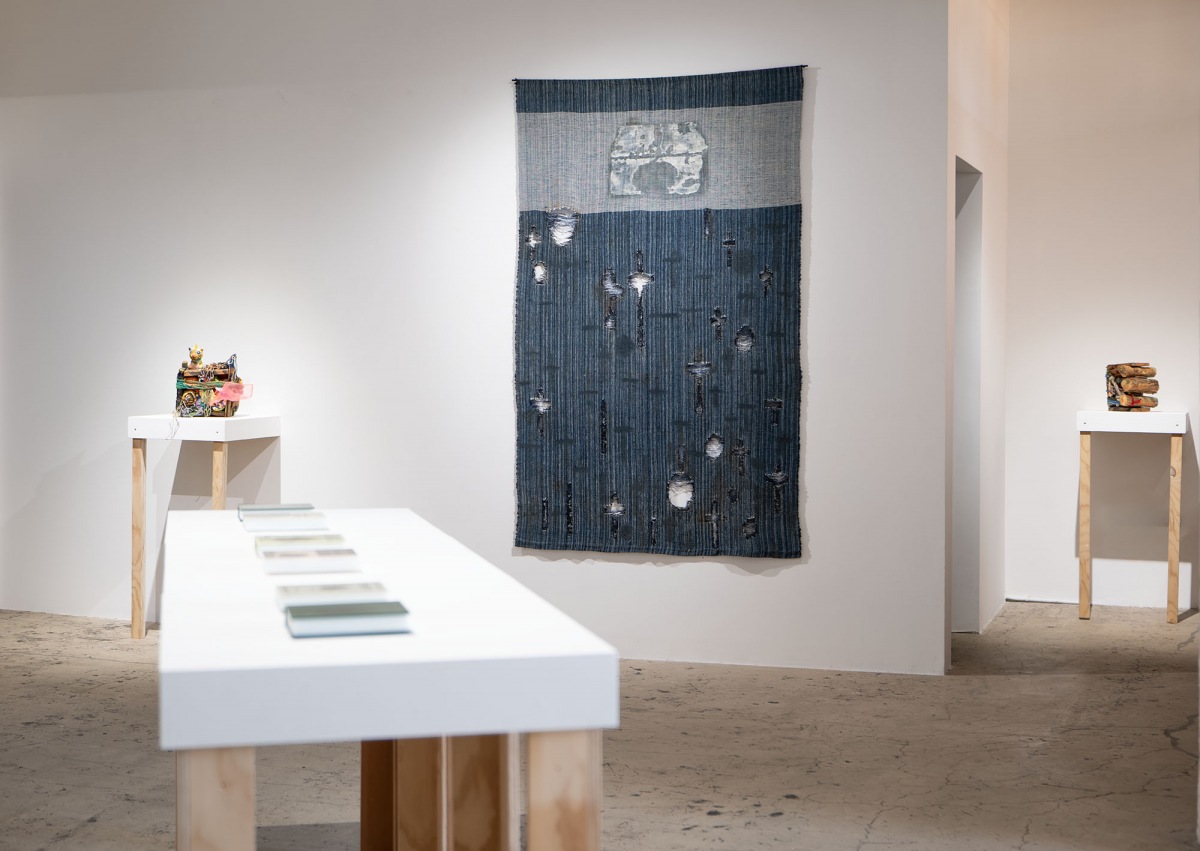
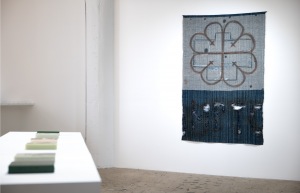
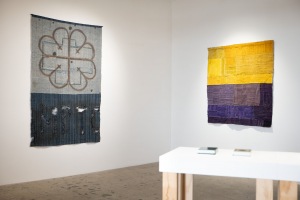
The dyed indigo tapestries presented in this exhibition, Ghost 1 and Ghost 2, offer psychic maps of the Hampton Plantation, a site where generational slavery has been restored as a state park—where spirits will never let history be erased.
Karen Hampton is held in the collections of the Ruth and Elmer Wellin Museum of Art, Hamilton College, Clinton, NY; the Honolulu Museum of Art, Honolulu, Hawaii; Chapman University, Orange, CA; Tia Collection, Santa Fe, NM; Museum of Fine Art, Boston, MA; Denver Museum of Fine Art, CO; University of Chicago, IL; and the School of the Art Institute of Chicago, Chicago, IL. Exhibitions include Art and Practice and California African American Museum, Los Angeles; University of Massachusetts-Dartmouth, MA; Museum of Craft and Folk Art, San Francisco; Honolulu Museum of Art, Honolulu, Oahu, Hawaii; Roberts Projects, Los Angeles and Jane Lombard, New York.

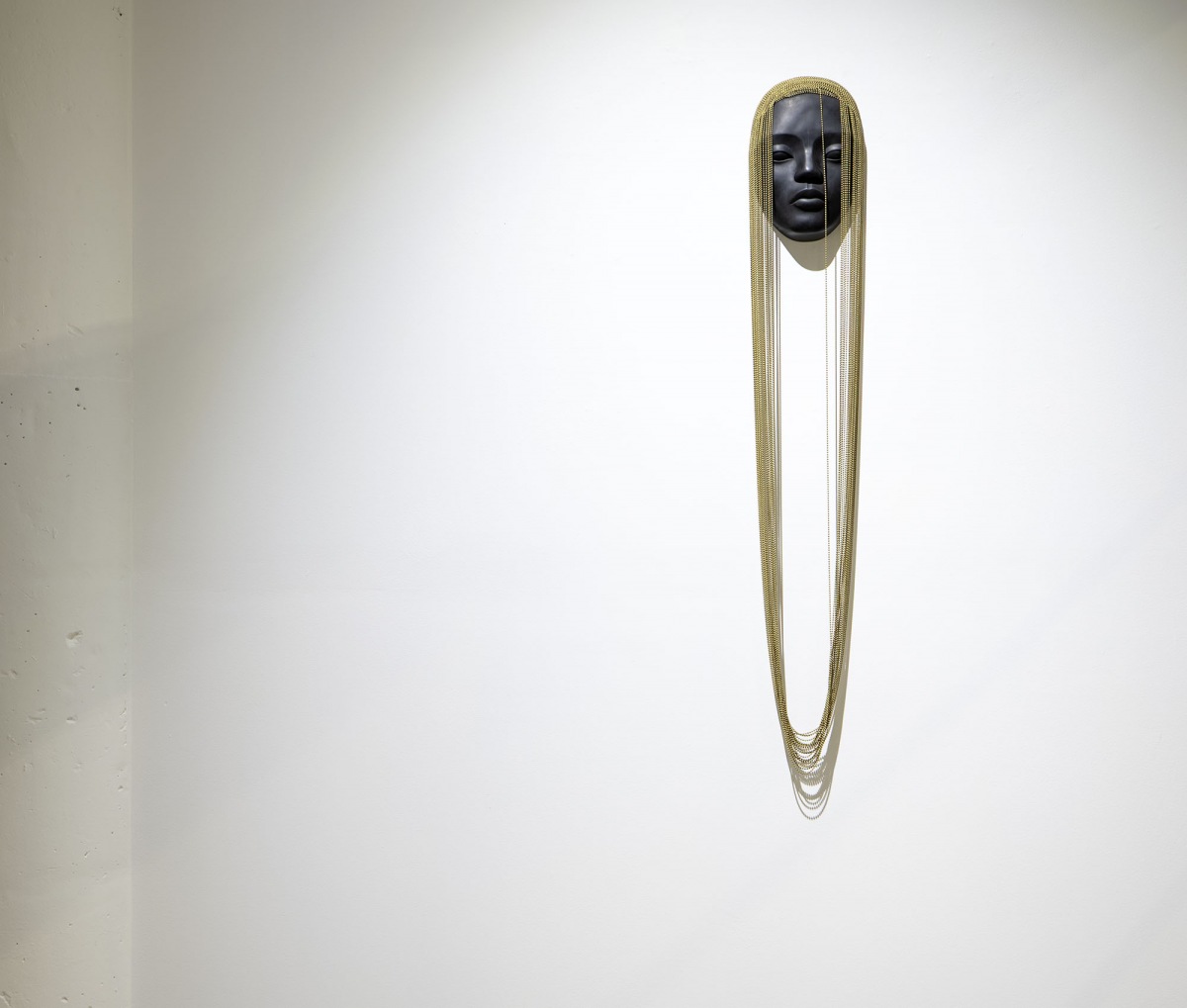
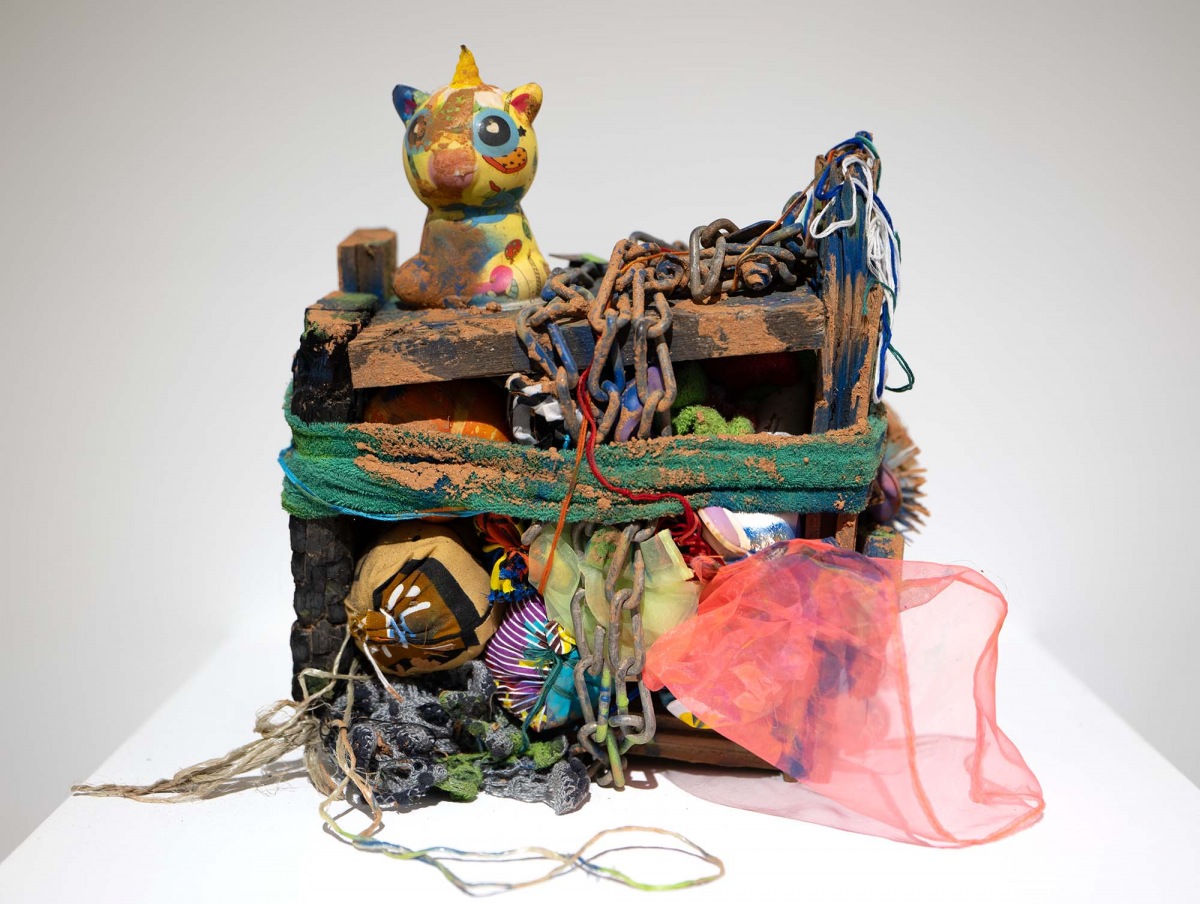
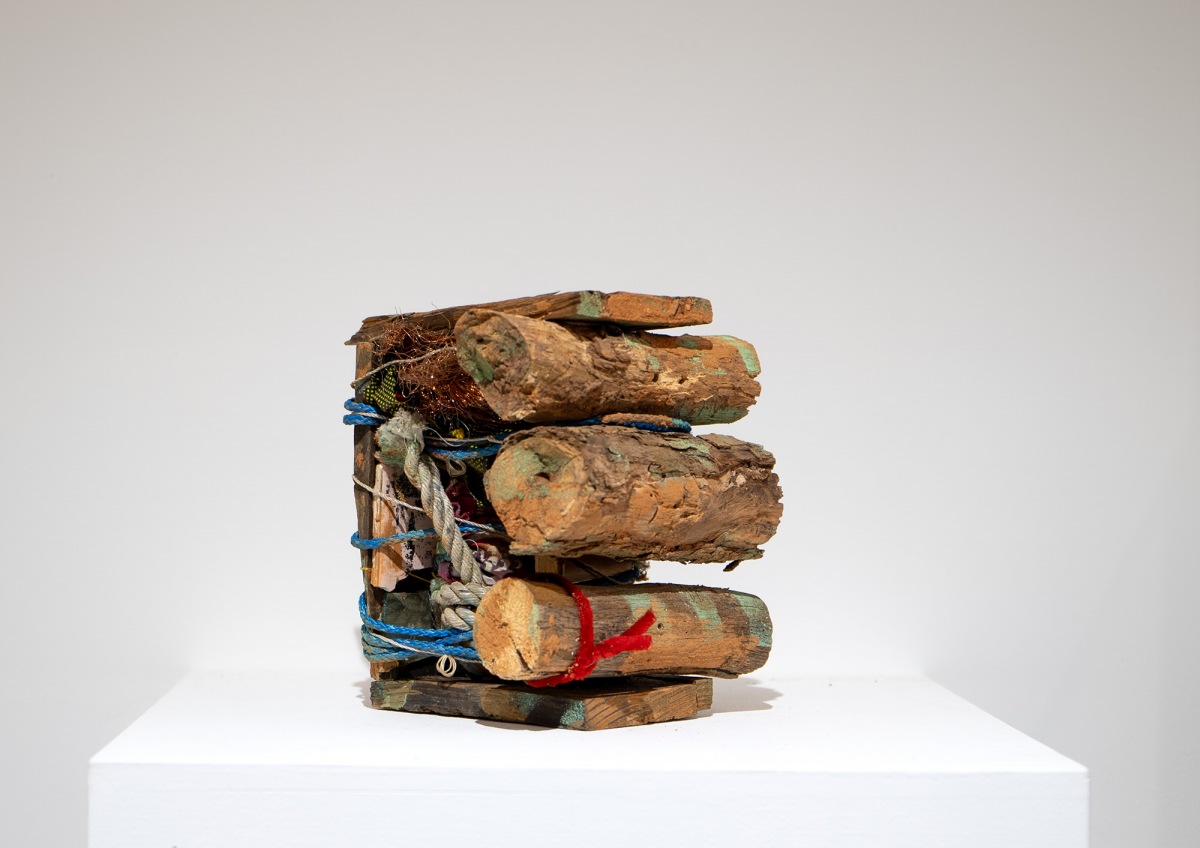
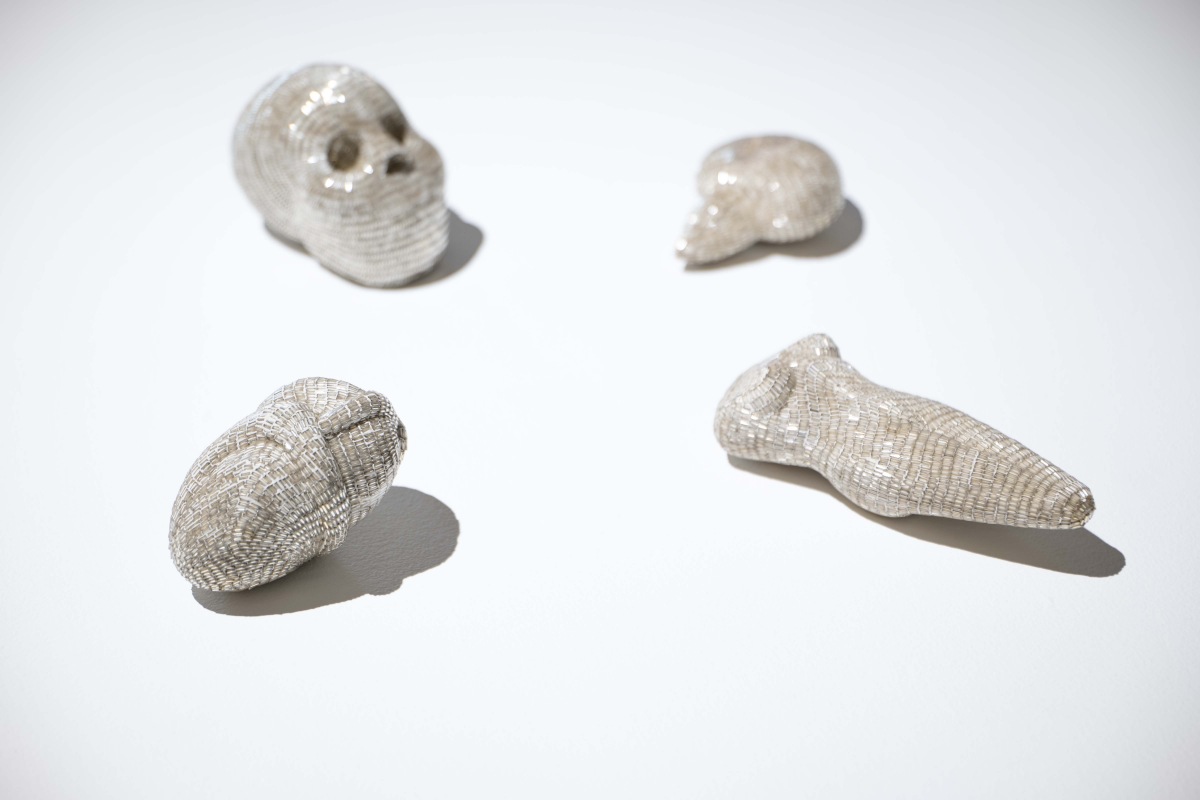
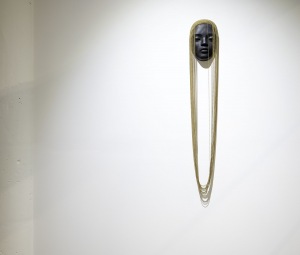
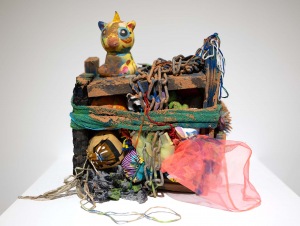
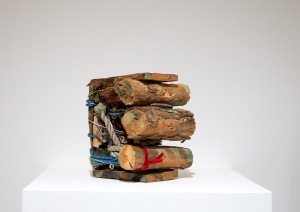
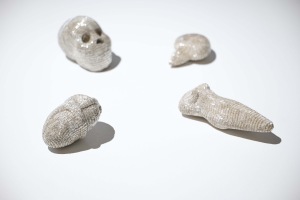
We’re pleased to include the sculpture of Esperanza Cortés, with selections from her Las Mineras and Cante Jando series. Cortés is a Colombian born multidisciplinary artist based in New York City. Cortés’ passion for the mosaic of the Americas, its folk-art traditions, rituals, music, and dance are at the core of her practice. On view will be free-standing and wall sculpture of clay and beads designed to counter the narratives of colonialism.
We’d also like to congratulate Esperanza on her upcoming exhibition at the Hispanic Museum and Library, New York. Esperanza Cortés: Embroidered Allegories, is the third exhibition in the museums Arte en el Alto Manhattan series, opening September 3rd, 2026.
Esperanza Cortés exhibitions include Smack Mellon Gallery; Bronx Museum of Art; Queens Museum; El Museo del Barrio; MoMA PS1; Socrates Sculpture Park in NYC; Albright-Knox Gallery; Ogden Contemporary Arts; Turchin Center for The Visual Arts; Corcoran Gallery of Art; Neuberger Museum of Art, and the Cleveland Art Museum. Awards include: New York State Council on the Arts Project Grant, John Simon Guggenheim Fellowship, Hispanic Society Museum and Library Artist Research Fellowship; BRIC Media Arts Fellowship, Lower Manhattan Cultural Council Grant; Joan Mitchell Foundation Painters & Sculptors Grant; Puffin Foundation Grant, New York State Biennial; Robert Rauschenberg Foundation; New York Foundation for the Arts and the Sustained Achievement in the Visual Arts Award.

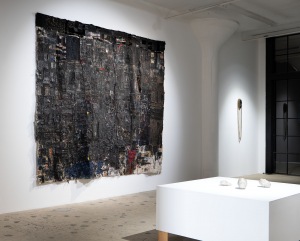
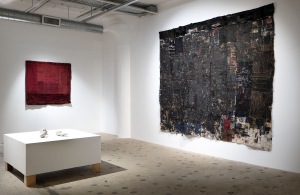
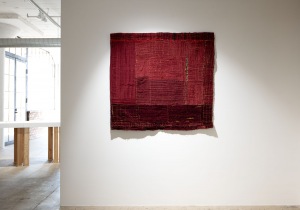
Asa Jackson presents monumental tapestries with soft undulating rivulets of hand-dyed corded cotton sewn with contrasting thread. The tapestries are composed of horizontal and vertical fields of color, while the shaved nap reflects and absorbs light, casting various depths of pigment. Gridded topography references weaving, early African American quilts, landscapes, maps, or even the cloaks of royalty. Occasionally Jackson reveals the reverse side of the tapestry, repurposed denim cotton. As Jackson notes, Indigo-dyed cotton served as the uniform of those enslaved and, in present-day use, still serves as the uniform for those incarcerated. Textiles often belie their storied histories.
Asa Jackson lives and works in Charlotte, North Carolina. He is the current President and CEO of McColl Center, North Carolina. He co-founded and served as Executive Director of the Contemporary Arts Network (CAN) Foundation, an arts nonprofit in Newport News, Virginia. Exhibitions include MoCA Arlington, the Virginia Museum of Contemporary Art and the Harvey B. Gantt Center in Charlotte. Jackson is included in public and private collections.

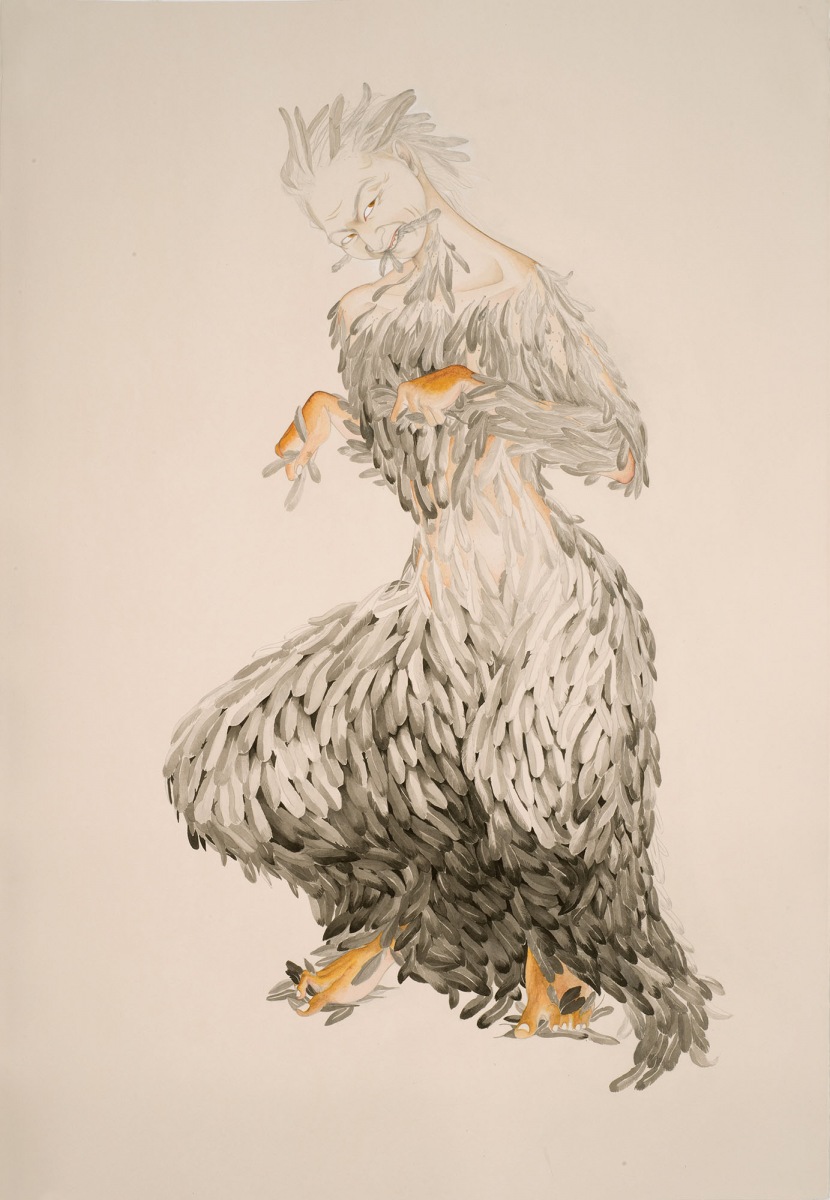
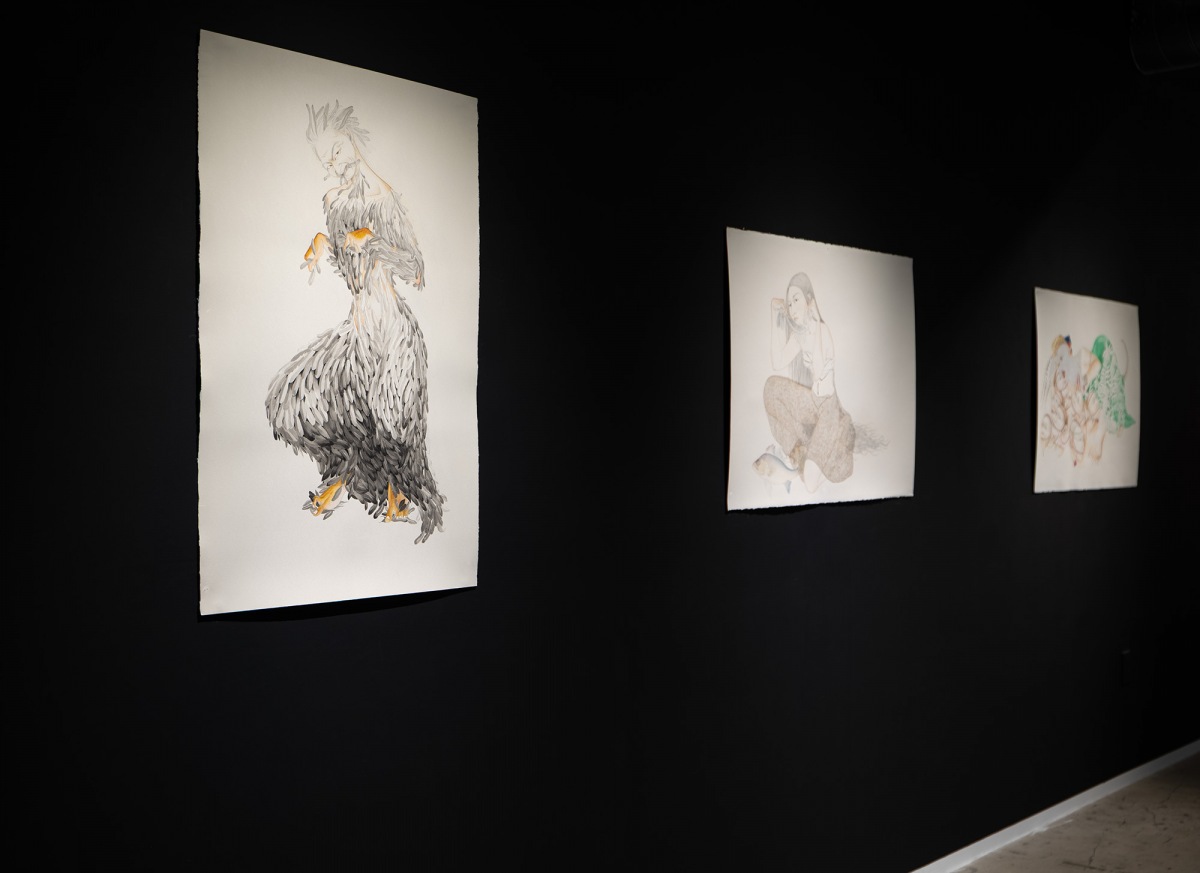
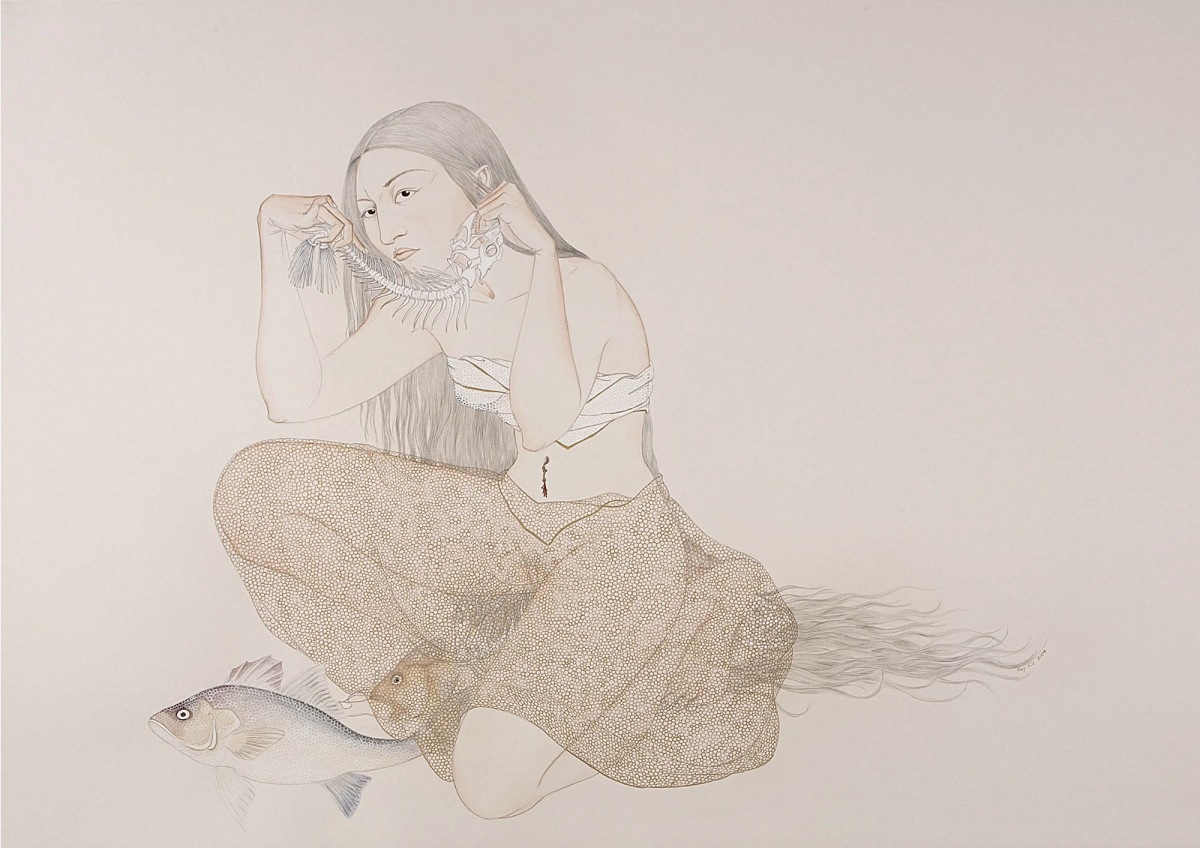
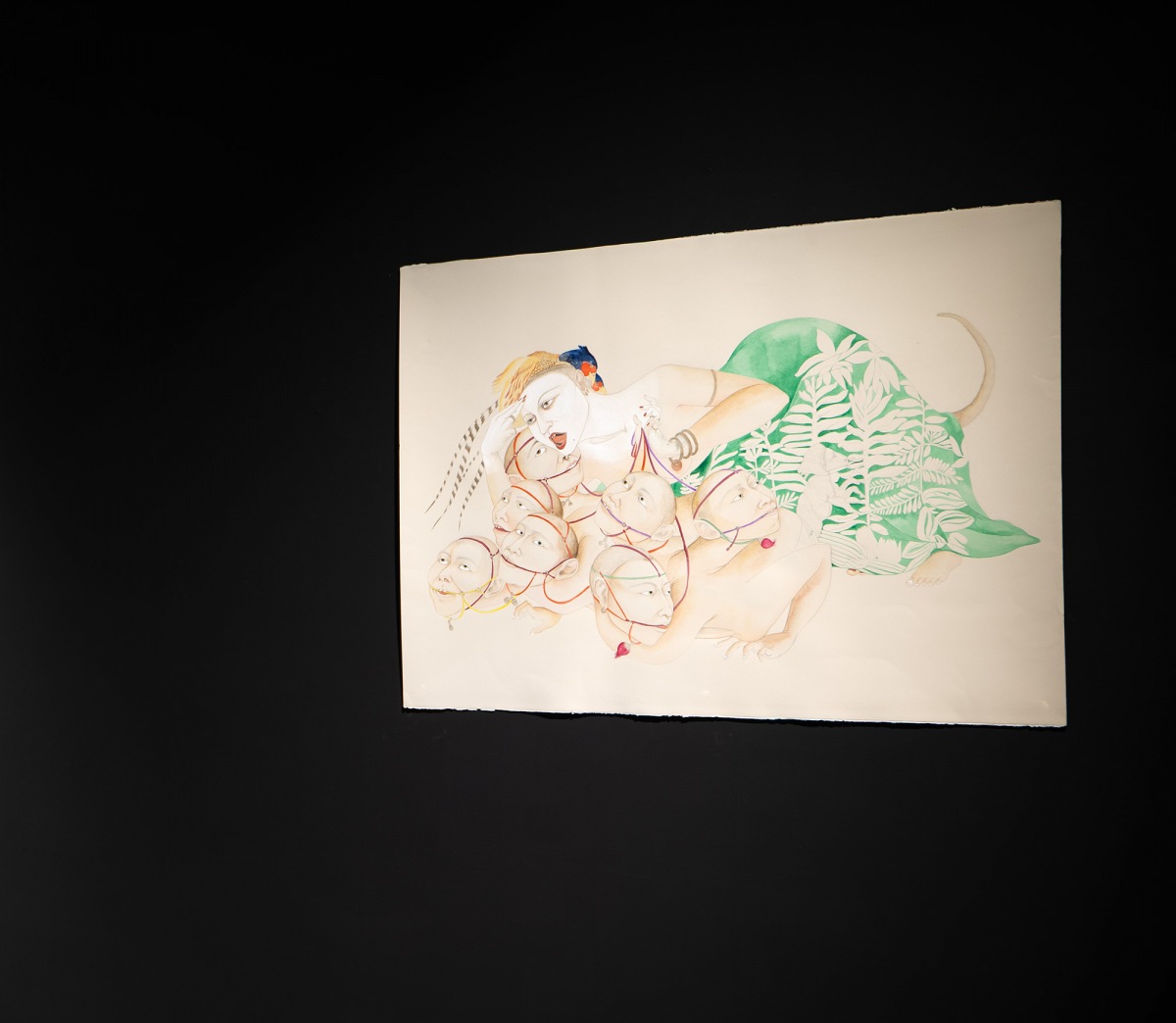
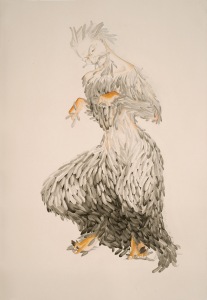
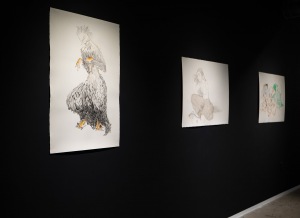
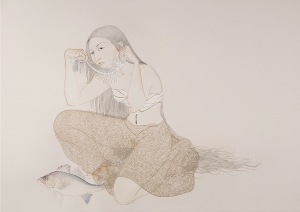
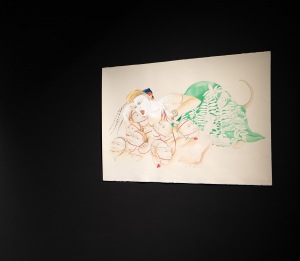
The drawings of Fay Ku emerge from the stories, myths, and fables told by her family. Emigrating from Taiwan, her parents lived and worked in Oklahoma and Texas, eventually making their way to Maryland. While they were settling in the states, Fay remained with her grandparents in Taiwan until the age of three, a community where she remembers feeling nurtured and loved. When her parents settled, she embarked upon the journey to join them, leaving familiarity behind.
For a few years after emigrating, Fay remained apart from the communities where she resided. She only spoke Mandarin, a language with one tense, the present tense. She learned English at elementary school, a vernacular that continuously dislocates time. Fay unwittingly began the journey of cultural accommodation, learning values, memories, and symbols of her parents and grandparents, while assimilating American culture.
Fay’s father, an avid student of history, was a natural story-teller. He wove memories and myths, sharing stories of China’s cultural revolution, describing comradery, loss, and violence along with tales of misadventure. The struggles and defiance of those who kept the travails of vulnerability at bay fueled Fay Ku’s imagination. Her drawings reflect that rich phantasmic tapestry replete with protagonists who conquer air and sea, take human and animal form, and distort dislocation with aplomb.
Fay Ku is the recipient of a 2007 Louis Comfort Tiffany Grant and a 2009 New York Foundation for the Arts fellowship grant. Her work is in the collection of Academy Art Museum, Easton, MD; Asian American Art Centre, New York; Honolulu Museum of Art, Honolulu, HI; Marjorie Barrick Museum of Art, Las Vegas, NV; The New Britain Museum of American Art, New Britain, CT, and The Wadsworth Atheneum, Hartford, CT. She is currently Adjunct Associate Professor at Pratt Institute in the Fine Arts department and for the Pratt in Venice summer abroad program.